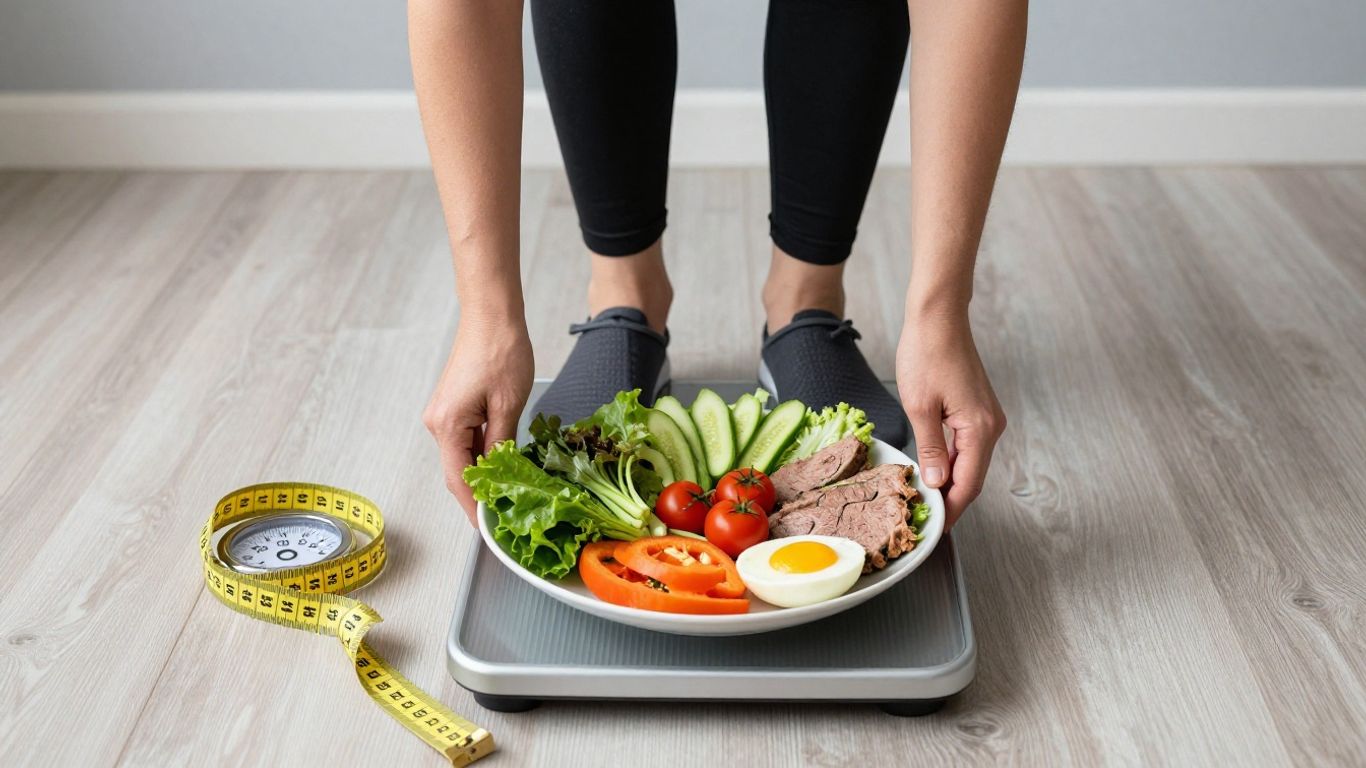
So, you’re wondering, ‘Can you lose a stone in a month?’ It’s a common question, especially when you want to see results fast. Maybe there’s a holiday coming up or just a personal goal you’ve set. While it might sound appealing to shed that weight quickly, the reality is a bit more complex. We’re going to break down what it really takes, the potential downsides, and what a healthy approach looks like, because your well-being is the most important thing.
Key Takeaways
- Losing a stone (14 pounds or about 6.35kg) in a month means aiming for a daily calorie deficit of around 1,200 calories, which is tough and often not sustainable.
- While technically possible for some, rapid weight loss like losing a stone in a month isn’t always safe and can lead to muscle loss, dehydration, and fatigue.
- Fast weight loss often results in regaining the weight quickly once you stop extreme measures, making sustainable progress more effective long-term.
- Factors like your personal metabolism, genetics, muscle mass, sleep, and stress levels all influence how fast you can lose weight.
- A healthy and sustainable approach focuses on a balanced diet of whole foods, regular activity, and setting realistic goals, aiming for 1-2 pounds of weight loss per week.
Understanding The Goal: Can You Lose A Stone In A Month?
It’s a question many of us have pondered, especially when faced with a looming event or a desire for a quick reset: “Can you lose a stone in a month?” The appeal of rapid weight loss is undeniable; seeing the scales drop quickly can feel incredibly motivating. But before we get carried away with the idea, let’s get real about what a ‘stone’ actually means and whether this ambitious target is truly achievable and, more importantly, healthy.
The Appeal Of Rapid Weight Loss
Who wouldn’t want to shed a significant amount of weight in a short timeframe? The promise of fast results is powerful. It taps into our desire for immediate gratification and can seem like the most efficient way to reach a goal. Whether it’s for a holiday, a wedding, or just a personal challenge, the idea of losing a stone in just four weeks sounds like a fantastic shortcut.
Defining A Stone In Pounds And Kilograms
So, what exactly are we aiming to lose? A stone is a traditional British unit of weight. In modern terms, one stone is equal to 14 pounds (lbs) or approximately 6.35 kilograms (kg). This means that losing a stone in a month translates to shedding around 3.5 pounds (or 1.6 kg) per week. While this might not sound like a huge amount when broken down weekly, achieving it consistently over four weeks requires a significant and sustained effort.
Is A Stone A Month A Realistic Target?
This is where things get a bit more complicated. While it might be technically possible for some individuals to lose a stone in a month, it’s often not the most realistic or healthy goal for the majority. Health organisations generally recommend a more gradual weight loss of 1-2 pounds per week. This slower pace is considered more sustainable and less likely to cause adverse health effects. Losing weight at a faster rate, like 3.5 pounds per week, often requires extreme measures that can be difficult to maintain and may even be detrimental to your health in the short and long term. It’s important to consider your individual circumstances and consult with a healthcare professional before aiming for such an ambitious target. For many, focusing on a more moderate pace is key to sustainable weight loss.
Rapid weight loss often comes with a higher risk of muscle loss, dehydration, and nutrient deficiencies. It can also lead to a cycle of regaining the weight once normal eating patterns resume, making long-term success harder to achieve.
The Science Behind Losing A Stone
So, you’re wondering about the nitty-gritty of losing a stone, right? It’s not just about cutting out biscuits and hitting the gym, though those things help. There’s some actual science involved, and understanding it can make a big difference to whether you actually succeed or just end up frustrated.
Best Gut Repair Supplements: A Science-Backed Guide 2026
Calculating The Necessary Calorie Deficit
To lose weight, you need to burn more calories than you consume. This is called a calorie deficit. A stone is roughly 14 pounds, and each pound of fat is about 3,500 calories. So, to lose a stone, you need a total deficit of around 49,000 calories. If you’re aiming to lose it in a month (let’s say 30 days), that means you need a daily deficit of about 1,633 calories. That’s a pretty significant daily shortfall.
Here’s a rough idea:
| Goal | Total Calorie Deficit | Daily Deficit (approx.) | Weekly Deficit (approx.) |
|---|---|---|---|
| Lose 1 stone | 49,000 calories | 1,633 calories | 11,431 calories |
Achieving such a large deficit purely through diet can be tough and might mean eating very little, which isn’t healthy. Combining diet with exercise is usually the way to go, but even then, it’s a big number to hit every single day.
The Role Of Metabolism In Weight Loss Speed
Your metabolism is basically your body’s engine. It’s the process of converting what you eat and drink into energy. Some people naturally have a faster metabolism, meaning they burn more calories even when they’re just sitting around. Others have a slower one. Factors like genetics, muscle mass, age, and even hormones can influence how fast your metabolism runs.
- Muscle mass: More muscle burns more calories at rest.
- Age: Metabolism tends to slow down as we get older.
- Genetics: Some people are just born with a faster engine.
While you can’t change your genes, you can influence your metabolism. Building muscle through strength training is a great way to give your engine a boost. Staying active throughout the day, not just during planned workouts, also helps keep it ticking over.
Why Sustainable Progress Is Key
This is where a lot of people trip up. Trying to create a massive calorie deficit overnight often leads to extreme diets. You might lose weight quickly at first, but it’s often water and muscle, not just fat. Plus, these diets are really hard to stick to. When you inevitably go back to your old eating habits, the weight tends to come back, sometimes even more than you lost. It’s a cycle that can be really disheartening.
Focusing on losing 1-2 pounds a week is a much more realistic and healthier approach. This kind of steady progress allows your body to adapt, helps you build sustainable healthy habits, and is far more likely to lead to long-term success without feeling like you’re constantly depriving yourself.
Potential Pitfalls Of Fast Weight Loss

So, you’re thinking about shedding a stone in just a month? It sounds brilliant, doesn’t it? Like a quick fix to get you feeling good for that holiday or event. But hold on a minute, because rushing into things can actually cause more problems than it solves. It’s a bit like trying to sprint a marathon – you might get there faster, but you’re likely to end up exhausted and injured.
Risks Of Muscle Loss And Dehydration
When you cut calories too drastically, your body doesn’t just burn fat; it starts looking for other energy sources. Unfortunately, that often means breaking down muscle tissue. This is a big problem because muscle is metabolically active – it burns calories even when you’re resting. Lose too much muscle, and your metabolism can slow down, making it harder to keep the weight off later. Plus, rapid weight loss often comes with a significant loss of water, leaving you feeling drained and unwell. It’s not uncommon to feel sluggish, dizzy, and generally a bit rubbish.
The Cycle Of Weight Regain
Diets that promise super-fast results usually involve extreme measures. Think severe calorie restriction or cutting out whole food groups. The issue is, these methods are incredibly hard to stick to long-term. As soon as you go back to your normal eating habits, the weight tends to creep back on, often with a little extra for good measure. This yo-yo effect can be really disheartening and can actually make future weight loss attempts more difficult.
Nutritional Deficiencies And Fatigue
Trying to cram all your nutritional needs into a very low-calorie intake is a recipe for disaster. You might miss out on vital vitamins and minerals, leading to things like low energy, poor concentration, and a weakened immune system. It’s tough to function properly when your body isn’t getting the fuel it needs. You might feel constantly tired, irritable, and just generally not yourself. It’s definitely not a sustainable way to live, even for a month.
Trying to lose weight too quickly often means you’re not giving your body the nutrients it needs to function properly. This can lead to feeling unwell, tired, and can even make you more likely to put the weight back on once you stop the extreme measures.
Here’s a quick look at what can happen:
- Muscle Mass Loss: Your body breaks down muscle for energy.
- Dehydration: Significant water loss can occur.
- Nutrient Gaps: You might not get enough essential vitamins and minerals.
- Low Energy: Feeling tired and sluggish becomes common.
- Metabolic Slowdown: Your body burns fewer calories at rest.
- Weight Regain: The lost weight often returns quickly.
Factors Influencing Weight Loss Speed
So, you’re wondering how quickly you can shed that stone? It’s not just about willpower or the diet you pick. Loads of things play a part in how fast the scales move, and honestly, it’s different for everyone. It’s a bit like trying to predict the weather – you can have a good idea, but there are always surprises.
Individual Metabolism And Genetics
Your metabolism is basically your body’s engine. It’s how many calories you burn just existing, plus when you’re moving around. Some people naturally have a faster engine, meaning they burn more fuel (calories) without even trying. This is often down to genetics. You might have heard of people who seem to eat whatever they want and stay slim – that’s often their metabolism at play. While you can’t change your genes, understanding that this is a factor helps explain why some people find weight loss easier than others. It’s not about being ‘good’ or ‘bad’, it’s just how your body is wired.
Impact Of Muscle Mass And Hormone Levels
Muscle is a calorie-burning machine, even when you’re resting. So, the more muscle you have, the higher your resting metabolism. This is why strength training is often recommended alongside cardio for weight loss. It helps preserve muscle mass, and even build it, which keeps your engine running efficiently. Hormone levels are another big player. Things like thyroid hormones, insulin, and even stress hormones can affect how your body stores fat and uses energy. For instance, conditions like PCOS or an underactive thyroid can make losing weight a real uphill battle, regardless of diet and exercise. It’s a complex system, and these internal signals can significantly slow things down.
Best Vitamin C Powder: Top 5 Picks for Immunity & Skin
Sleep Quality And Stress Management
Don’t underestimate the power of a good night’s sleep and keeping stress in check. When you’re sleep-deprived, your body produces more cortisol, a stress hormone that can encourage fat storage, especially around your middle. It also messes with your hunger hormones, making you crave sugary, high-calorie foods. Similarly, chronic stress puts your body in ‘fight or flight’ mode, which isn’t conducive to shedding pounds. Finding ways to relax, whether it’s through meditation, a hobby, or just taking some quiet time, can actually help your weight loss efforts. It’s all connected, and looking after your mental well-being is just as important as what’s on your plate.
It’s important to remember that weight loss isn’t a straight line. Plateaus happen, and sometimes the scale doesn’t budge for reasons beyond your immediate control, like water retention or hormonal shifts. Focusing on how your clothes fit and your energy levels can be more telling than just the number on the scales.
Several factors can influence how quickly you lose weight, and it’s not always a linear process. Here’s a quick look:
- Metabolism: Your body’s natural calorie-burning rate, influenced by genetics and muscle mass.
- Muscle Mass: More muscle means a higher resting metabolism.
- Hormones: Imbalances can significantly impact weight loss.
- Age: Metabolism tends to slow down as we get older.
- Sleep: Poor sleep disrupts hunger hormones and increases cravings.
- Stress: High cortisol levels can promote fat storage.
Understanding these elements can help you set more realistic expectations for your weight loss journey. If you’re struggling, talking to a professional can offer personalised advice and support. You might find that exploring options like medically supervised weight loss could be beneficial.
Safe And Sustainable Weight Loss Strategies

So, you’re aiming to shed a stone, and you want to do it the right way. That’s brilliant. Forget the quick fixes and fad diets that leave you feeling rubbish and end up with the weight piling back on. We’re talking about building habits that stick, making changes that feel manageable, and actually support your health in the long run. It’s not about deprivation; it’s about smart choices.
Prioritising Whole Foods And Protein
When you’re trying to lose weight, what you eat really does make a massive difference. Focusing on whole, unprocessed foods is key. Think fruits, vegetables, lean meats, fish, eggs, and legumes. These foods are packed with nutrients and fibre, which help you feel fuller for longer. Protein, in particular, is a superstar. It helps preserve muscle mass while you’re losing weight, and it’s also really satisfying. Trying to get a good source of protein with every meal can make a huge difference to your hunger levels throughout the day.
Here’s a quick look at some good choices:
- Lean Proteins: Chicken breast, turkey, fish (like salmon or mackerel), eggs, Greek yogurt, tofu, lentils, beans.
- Complex Carbohydrates: Oats, quinoa, brown rice, sweet potatoes, wholemeal bread.
- Healthy Fats: Avocados, nuts, seeds, olive oil.
- Fruits & Vegetables: Aim for a wide variety of colours!
The Importance Of Balanced Nutrition
It’s easy to get caught up in focusing on just one thing, like cutting out carbs or fat. But a truly balanced approach is where the magic happens. Your body needs a mix of macronutrients – protein, carbs, and fats – to function properly. Cutting out entire food groups can lead to nutrient deficiencies and leave you feeling tired and irritable. Instead, aim for meals that include a good balance of these. This helps keep your energy levels stable and prevents those intense cravings that can derail your progress. Remember, sustainable health comes from building habits that support your body. Our pharmacy team works with patients to develop realistic goals and plans that fit their lifestyle, not just for a month, but for the long haul.
Making small, consistent changes to your diet is far more effective than drastic overhauls. Think about adding more vegetables to your dinner or swapping your usual sugary snack for a piece of fruit. These little wins add up.
Incorporating Regular Physical Activity
Exercise is brilliant for so many reasons, not just for burning calories. It helps build and maintain muscle mass, which is important for keeping your metabolism ticking over. Plus, it’s a fantastic stress reliever and mood booster. You don’t need to become a marathon runner overnight. Start with something you enjoy. A brisk walk most days, a bit of swimming, or even dancing in your living room all count. Gradually increasing the intensity or duration as you feel fitter is a great way to progress. If you’re looking for help achieving your weight loss goals, our team at Townhead Pharmacy is here to support you every step of the way.
It’s about finding a routine that fits into your life. Maybe it’s a morning jog before work, a lunchtime walk, or a gym class with friends. The key is consistency. Aim for a mix of cardio and strength training if you can. Strength training, in particular, is really beneficial for building muscle, which helps your body burn more calories even at rest. For many people, a combination of diet, activity, and support can help them reach their goals safely. This approach is often more effective for long-term weight loss than trying to achieve rapid results.
Debunking Common Weight Loss Myths
Right, let’s get stuck into some of the common ideas floating around about losing weight, especially when people are aiming for something like a stone in a month. It’s easy to get caught up in the hype, but some of these ‘facts’ just aren’t true, or at least, not the whole story.
Myth: Extreme Dieting Is The Only Way
This one pops up a lot. People think to lose weight fast, you’ve got to live on lettuce and water. Honestly, that’s not the way to go. While cutting calories is part of it, going to extremes can actually backfire. Your body needs nutrients, and if you cut too much out, you can end up feeling tired, grumpy, and even slow down your metabolism. Plus, it’s really hard to stick to.
Instead of a crash diet, think about a balanced approach. Eating plenty of protein and fibre helps you feel full, and choosing whole foods over processed stuff makes a big difference. It’s about making changes you can actually live with.
Myth: Cutting Carbs Guarantees Fast Results
Ah, the low-carb craze. Lots of people swear by cutting out bread, pasta, and rice to shed pounds. Now, it’s true that some people see the scales drop quickly when they cut carbs, but a lot of that is often just water weight. Carbohydrates are actually your body’s main source of energy, so cutting them out completely can leave you feeling wiped out.
It’s not about ditching carbs altogether, but choosing the right ones. Think whole grains, fruits, vegetables, and legumes. These give you energy and fibre, which is good for digestion and keeps you feeling satisfied. It’s refined carbs, like white bread and sugary snacks, that you’ll want to cut back on.
Myth: Exercise Alone Is Sufficient
We all know exercise is good for us, right? It helps build muscle, boosts your mood, and burns calories. But relying on exercise alone to lose a significant amount of weight, like a stone, is usually a losing battle. You’d have to spend an awful lot of time working out to burn off the calories from a few less-than-healthy meals.
Think of it like this:
- Nutrition: This is where the bulk of your weight loss will come from. What you eat has a bigger impact on your calorie intake than how much you exercise.
- Exercise: This is vital for maintaining muscle mass, improving your metabolism, and overall health. It complements a healthy diet.
- Consistency: Both diet and exercise need to be regular habits to see lasting results.
So, while hitting the gym is great, it needs to go hand-in-hand with watching what you eat. You can’t really outrun a bad diet.
Achieving Your Weight Loss Goals Healthily
Setting Realistic Expectations
So, you’re thinking about losing a stone. It’s a common goal, and it’s great to have something specific to aim for. But let’s be real for a second. While the idea of shedding a stone in just a month sounds amazing, it’s often not the healthiest or most sustainable way to go about it. Focusing on long-term health rather than a quick fix is where the real magic happens. It’s more about building habits that stick, not just a temporary sprint. Think about it – if you drastically cut everything out for a month, what happens afterwards? Usually, old habits creep back in, and the weight can return just as quickly. We need to aim for progress that feels manageable and that you can actually keep up with.
The Benefits Of Gradual Progress
When you lose weight slowly, you’re more likely to be losing fat rather than just water or muscle. Losing muscle is a big no-no because muscle helps keep your metabolism ticking over. If you lose muscle, your body burns fewer calories even when you’re resting, which can make future weight loss harder. Gradual progress also means your body has time to adjust. You’re less likely to feel completely drained or deprived, which makes sticking to your plan much easier. Plus, it gives you time to figure out what foods you actually enjoy that are also good for you, and what kind of exercise doesn’t feel like a chore. It’s about making sustainable changes, not just a short-term diet.
Here’s a general idea of what gradual weight loss looks like:
| Goal | Weekly Loss | Monthly Loss (approx.) |
|---|---|---|
| Healthy & Sustainable | 1-2 lbs | 4-8 lbs (approx. 2-4 kg) |
| Aiming for a Stone | 3.5-4 lbs | 14-16 lbs (approx. 6-7 kg) |
As you can see, losing a full stone (which is 14 lbs or about 6.35 kg) in a month would mean losing around 3.5 lbs every week. That’s at the very top end of what’s generally considered safe and sustainable for most people.
Seeking Expert Guidance For Your Journey
Sometimes, trying to figure all this out on your own can feel a bit overwhelming. That’s totally normal! There’s so much information out there, and it’s hard to know what’s right for you. This is where getting some professional help can make a massive difference. Whether it’s a GP, a registered dietitian, or a nutritionist, these folks can look at your individual situation – your health history, your lifestyle, your preferences – and help you create a plan that’s actually going to work. They can help you set those realistic goals we talked about and guide you through any tricky patches, like when your weight loss seems to stall. They can also help you understand if any underlying health issues might be affecting your progress. It’s not about someone telling you what to do, but about working together to find the best path forward for your health and well-being.
It’s easy to get caught up in the numbers on the scale, but remember that weight loss is just one part of the picture. How you feel, your energy levels, your sleep quality, and your overall health are all incredibly important indicators of progress. Don’t be discouraged if the scale doesn’t move exactly as you planned; focus on the positive changes you’re making in your lifestyle.
So, Can You Lose a Stone in a Month?
Right, so we’ve looked at the idea of shedding a stone in just four weeks. While it might sound tempting, especially with all the quick-fix promises out there, the reality is a bit more complicated. For most of us, trying to lose that much weight that fast isn’t really the best path. It often means going to extremes that are hard to keep up with and can even be bad for your health, leading to things like losing muscle instead of fat. A more sensible approach, aiming for a steady loss of one to two pounds a week, is usually the way to go for results that actually stick. It’s about building healthier habits that fit into your life long-term, not just a quick dash. If you’re unsure about the best way forward for you, chatting with a health professional is always a good shout. They can help you figure out a plan that’s safe, works for your body, and gets you to your goals without the drama.