
So, you’re wondering, ‘can I lose a stone in a month?’ It’s a common goal, often tied to a specific event or just a desire for a quick change. Losing 14 pounds in four weeks sounds like a fast track to feeling better, but is it really achievable, and more importantly, is it a good idea for your health? We’ll break down what’s involved, the science behind weight loss, and what you need to consider before jumping into a rapid weight loss plan.
Key Takeaways
- Losing a stone (14 pounds) in a month is a very ambitious goal and isn’t suitable or safe for everyone. Health guidelines often suggest a slower rate of 1-2 pounds per week.
- Weight loss fundamentally relies on creating a calorie deficit – burning more calories than you consume. This can be achieved through diet, exercise, or a combination of both.
- Prioritising protein-rich, nutrient-dense foods and limiting processed items can support weight loss efforts by promoting fullness and providing essential nutrients.
- Exercise, including strength training and cardio, plays a significant role in burning calories and boosting metabolism, but it’s important to start gradually to avoid injury.
- Rapid weight loss methods, like fad diets, carry risks such as muscle loss, nutrient deficiencies, and a high chance of regaining the weight. Sustainable, gradual changes are usually best for long-term health.
Understanding The Goal: Can I Lose A Stone In A Month?
So, you’re wondering if shedding a stone in just four weeks is actually doable. It’s a question that pops up a lot, especially when you’ve got a date on the horizon or just feel like you need a big change, fast. A stone, for those who might need a reminder, is 14 pounds, or about 6.35 kilograms. It sounds like a lot, and honestly, it is.
The Reality Of Losing A Stone In Four Weeks
Let’s get straight to it: for some people, losing a stone in a month is possible. But it’s not a one-size-fits-all situation. If you’re starting with a higher body weight, it might be more achievable, especially if you’re under some kind of guidance. However, if you don’t have a huge amount of weight to lose, trying to drop a stone that quickly can be really tough and potentially not the best for your health. Often, the initial rapid drop you see on the scales is a lot of water weight, particularly if you’ve cut down on carbs. Once that initial flush is over, the actual fat loss tends to slow down. It’s important to remember that quick fixes can sometimes lead to regaining the weight just as fast, if not faster.
Is A Stone A Realistic Weight Loss Target?
Health experts, like those at the NHS, generally suggest a more moderate pace for weight loss – aiming for about 1 to 2 pounds (roughly 0.5 to 1kg) per week. That works out to about half a stone a month. This slower approach is usually much better for keeping your muscle mass, keeping your metabolism ticking over nicely, and giving you the time to actually build habits that stick around long-term. Losing a stone over two or even three months is often a safer bet, more likely to be successful, and less likely to result in the dreaded rebound weight gain.
Why The Urgency For Rapid Weight Loss?
People often want to lose weight quickly for specific events – maybe a holiday, a wedding, or a big birthday. It feels like a good way to get a fast start. However, this desire for speed can sometimes lead people down the path of fad diets or extreme measures. These diets often cut out entire food groups or drastically reduce calories, making them very hard to stick to. Your body naturally craves the things you’ve cut out, and when you inevitably give in, you can end up eating more than you intended, undoing all your hard work. It’s a cycle that’s easy to fall into, and it’s why focusing on a sustainable plan is usually the better route for long-term success and overall health.
While the idea of losing a stone in a month is appealing, it’s vital to consider if it’s the right goal for you and your body. Sometimes, a slightly longer timeframe can lead to much more sustainable and healthier results.
The Science Behind Weight Loss
So, you want to lose a stone in a month. It sounds like a big goal, and it is. But understanding the basic science behind how our bodies use energy is the first step to figuring out if it’s achievable and, more importantly, healthy.
Creating A Calorie Deficit For Fat Loss
At its core, losing weight, especially fat, comes down to a simple equation: you need to burn more calories than you consume. This is called a calorie deficit. Think of your body like a car; it needs fuel (calories) to run. If you give it less fuel than it needs for its daily activities, it has to find that energy from somewhere else – and that ‘somewhere else’ is usually stored body fat. This is the fundamental principle of fat loss.
It’s much easier to cut calories from your diet than it is to burn them off through exercise. For instance, cutting out a daily sugary drink and a couple of biscuits might save you 300-400 calories, whereas you’d have to go for a brisk walk for over an hour to burn the same amount. To lose a stone (which is about 14 pounds, and each pound of fat is roughly 3,500 calories), you’d need a deficit of about 49,000 calories over the month. That’s a huge daily deficit, which is why losing a stone in just four weeks is so challenging and often not recommended.
The Role Of Metabolism In Weight Management
Metabolism is basically all the chemical processes that happen in your body to keep you alive and functioning. It’s how your body converts food and drink into energy. A faster metabolism means your body burns more calories at rest. Things like muscle mass, age, genetics, and even hormones can influence your metabolic rate. Building muscle through strength training is a great way to give your metabolism a boost, as muscle tissue burns more calories than fat, even when you’re not exercising. This is why combining healthy eating with regular exercise is so effective for long-term weight management.
Understanding Resting Energy Expenditure
Resting Energy Expenditure (REE), sometimes called Basal Metabolic Rate (BMR), is the number of calories your body burns just to keep basic functions going when you’re at rest – things like breathing, circulation, and cell production. This makes up the largest portion of your daily calorie burn. Factors like your body composition (more muscle means higher REE), age, and even temperature can affect it. Even drinking water can give your REE a temporary boost, increasing it by up to 30% for a short while after consumption. While you can’t drastically change your REE overnight, understanding it helps you appreciate that your body is always working, even when you’re doing nothing.
The idea that you can drastically speed up your metabolism to burn off a stone in a month is largely a myth. While you can influence it through diet and exercise, it’s a gradual process. Focusing on sustainable changes that support your metabolism over time is key, rather than looking for quick fixes.

Dietary Strategies For Accelerated Weight Loss
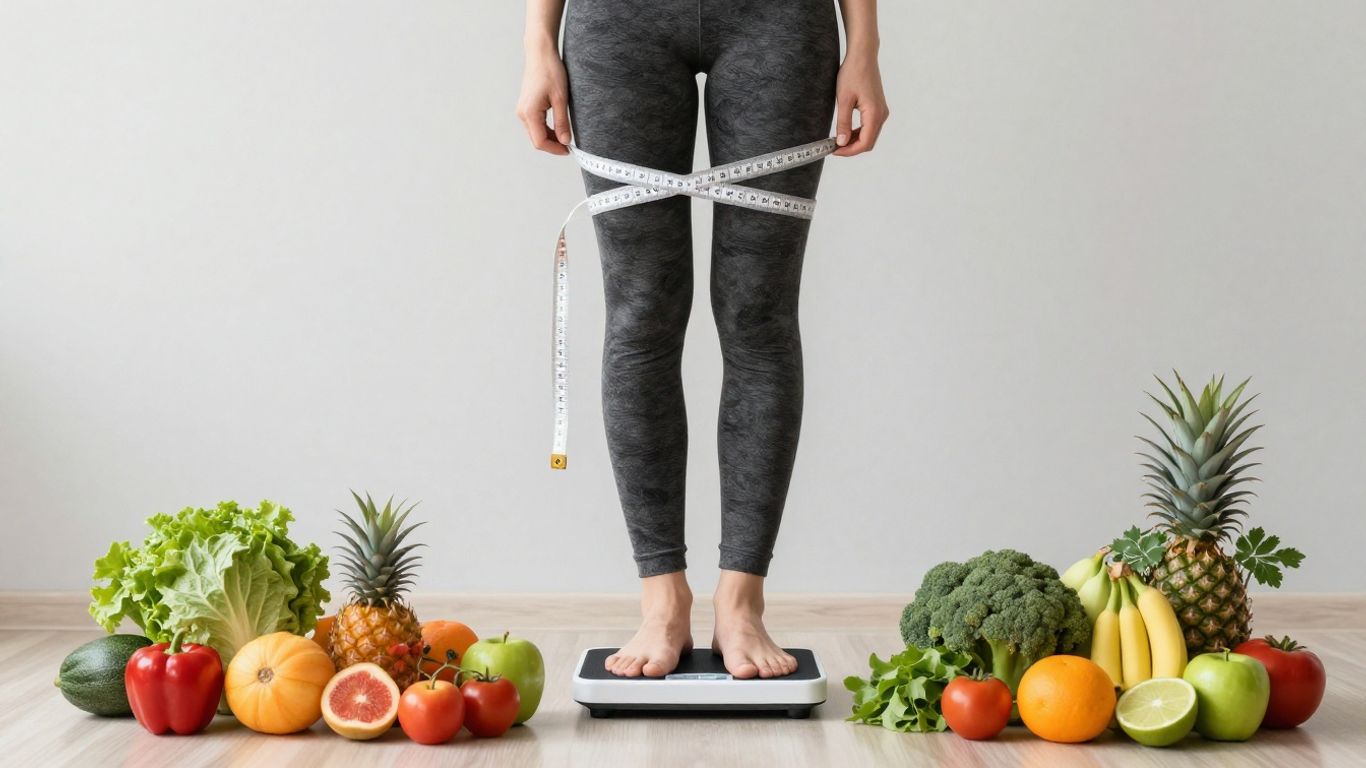
So, you’re looking to shed a stone in a month, and you’re wondering what to eat? It’s a common goal, and while it’s ambitious, the right food choices can certainly help. It’s not about starving yourself, though; it’s about being smart with what you put on your plate.
How Long to Lose a Stone Safely? Expert Weight Guide
Prioritising Protein-Rich Foods
Protein is your best friend when you’re trying to lose weight quickly. It helps you feel fuller for longer, which means you’re less likely to snack on less healthy options. Plus, your body uses more energy to digest protein compared to fats or carbs. Think lean meats, fish, eggs, beans, and lentils. Aim to include a good source of protein with every meal.
- Chicken breast or turkey
- Fish like salmon or mackerel
- Eggs
- Lentils and beans
- Greek yogurt
The Importance Of Nutrient-Dense Choices
When you’re cutting calories, it’s super important that the calories you do eat are packed with vitamins and minerals. This is where nutrient-dense foods come in. They give you the most nutritional bang for your buck. We’re talking about colourful fruits and vegetables, whole grains, and lean proteins. These foods help keep your energy levels up and your body functioning well, even when you’re in a calorie deficit.
Here’s a quick look at some top choices:
| Food Group | Examples | Why it’s good for weight loss |
|---|---|---|
| Vegetables | Broccoli, spinach, peppers, sweet potatoes | High in fibre and water, low in calories, filling |
| Fruits | Berries, apples, oranges, grapefruit | Provide vitamins, fibre, and natural sweetness |
| Lean Proteins | Chicken, fish, tofu, beans, lentils | Aids satiety, supports muscle mass, higher thermic effect |
| Whole Grains | Oats, quinoa, brown rice | Provide sustained energy and fibre |
Limiting Processed Foods For Better Results
Processed foods are often loaded with added sugars, unhealthy fats, and salt, and they’re usually low in the nutrients your body needs. They’re also designed to be super palatable, making it easy to overeat them without even realising. Cutting back on these – think biscuits, crisps, sugary drinks, and ready meals – can make a huge difference to your calorie intake and overall health. Making this switch is often more impactful than you might think.
Cutting out processed items means you’re naturally reducing your intake of empty calories. This frees up room for more satisfying, nutrient-rich foods that will actually help you feel good and keep you going throughout the day. It’s a simple change with big benefits for your weight loss journey.
The Crucial Role Of Exercise

Right, so we’ve talked about food, but what about actually moving your body? Exercise is a big piece of the puzzle when you’re trying to shift a stone, or any weight for that matter. It’s not just about burning calories in the moment, though that’s definitely part of it. Think of it as a way to get your body working more efficiently.
Incorporating Strength Training For Metabolism
This is where things get interesting. Building muscle is key, and not just for looking toned. The more muscle you have, the more calories your body burns even when you’re just sitting around. It’s like giving your metabolism a little boost. Aim to get some strength training in at least three times a week. You can do this at home or at the gym; it doesn’t really matter where. Focus on exercises that work multiple muscle groups, like squats or lunges, but don’t forget the smaller ones too.
- Increased muscle tone for a leaner appearance.
- Improved metabolism as muscle burns more calories than fat.
- Better body composition by reducing body fat percentage.
High-Intensity Interval Training Benefits
If you’re short on time, High-Intensity Interval Training, or HIIT, can be a real game-changer. It involves short bursts of really intense exercise followed by brief recovery periods. Studies show it can burn more calories over time than steady cardio. A typical HIIT session might involve something like 20 seconds of sprinting followed by 40 seconds of walking, repeated. You could also try burpees or kettlebell swings. Just two or three 20-minute sessions a week can make a difference, and the calorie burn doesn’t stop when you do – your metabolism stays elevated afterwards.
However, HIIT isn’t for everyone. If you’re going through perimenopause or are postmenopausal, multiple intense sessions might actually raise your stress hormones too much, which isn’t ideal for weight loss. It’s always best to listen to your body.
Low-Impact Alternatives For Consistent Activity
Don’t fancy smashing yourself with HIIT? No worries. There are plenty of other ways to get active. Walking is brilliant, and you can easily build it into your day. Even just a 30-minute walk most days can help. Hiking, light jogging, or even using a stair machine are good options too. The main thing is to find something you can stick with. If you’re new to exercise, it’s really important to ease yourself in. Suddenly going from zero to hero could lead to an injury, and then you’d be out of action for weeks. For those looking for a more gentle approach, consider activities like swimming or cycling. These are great for burning calories without putting too much strain on your joints. Finding a way to move that you actually enjoy is half the battle won, and it’s a great way to support your weight loss journey for the long term, especially if you’re in your 40s or 50s and looking for sustainable results.
Remember, consistency is more important than intensity when you’re starting out. Building up your activity levels gradually will help you avoid burnout and injury, making your weight loss journey much smoother.
How to Lose a Stone in a Month Safely and Naturally
Navigating The Risks Of Rapid Weight Loss
So, you’re thinking about shedding a stone in just four weeks. It sounds like a quick win, doesn’t it? But before you jump headfirst into drastic measures, it’s really important to chat about the downsides. Trying to lose weight too fast can actually cause more problems than it solves, and honestly, it’s often not the best way to get lasting results.
The Dangers Of Fad Diets And Quick Fixes
Lots of diets out there promise the moon – think extreme juice cleanses or cutting out entire food groups. They might make you lose a few pounds quickly, but that’s often just water weight. The problem is, these diets are usually super hard to stick to. They can leave you feeling deprived, make socialising a nightmare, and often lead to a cycle of losing and then regaining weight. It’s like a yo-yo, and it’s not good for your body or your head.
- Unsustainable plans: Diets that feel like punishment are rarely long-term solutions.
- Social isolation: Cutting out entire food groups can make eating with friends and family tricky.
- Nutrient gaps: Missing out on essential vitamins and minerals can affect your overall health.
Trying to achieve rapid weight loss often means following a plan that your body simply can’t maintain. When you stop, the weight tends to come back, sometimes even more than before. It’s a frustrating pattern that many people get stuck in.
Potential For Muscle Loss And Nutrient Deficiencies
When you cut calories too drastically, your body can start to break down muscle for energy. This is a big issue because muscle helps keep your metabolism ticking over. Less muscle means a slower metabolism, which makes it harder to lose weight in the future. Plus, eating very little means you’re likely not getting all the vitamins and minerals your body needs to function properly. This can lead to feeling tired, weak, and generally unwell.
The Cycle Of Rebound Weight Gain
This is a common one. After a period of severe calorie restriction or a very strict diet, your body’s metabolism can slow down. It’s trying to conserve energy because it thinks it’s starving. When you go back to eating normally, your body is now more efficient at storing calories, and the weight can pile back on. This ‘rebound’ effect can be disheartening and makes it harder to reach your goals next time. It’s why focusing on gradual, sustainable changes is usually the smarter move for long-term success.
Sustainable Approaches To Weight Management
Setting Healthier, Gradual Weight Loss Goals
Look, losing a stone in a month is a big ask, and honestly, it’s often not the best way forward for your health. Instead of fixating on that number in such a short timeframe, let’s talk about setting goals that are actually achievable and, more importantly, sustainable. Health professionals generally suggest aiming for a loss of about 1-2 pounds each week. That might not sound like much, but over a couple of months, it adds up to a stone, and it’s a pace that’s much kinder to your body. It gives you time to adjust, to learn what works for you, and to build habits that stick. Trying to shed weight too quickly can mean you lose muscle along with fat, and that’s not what we want. Plus, the faster you lose it, the more likely you are to put it back on.
Developing Lasting Healthy Habits
This is where the real magic happens. Forget quick fixes; we’re talking about building a lifestyle that supports your well-being long-term. It’s about making small, consistent changes that become second nature. Think about incorporating more whole foods into your diet – fruits, vegetables, lean proteins, and whole grains. These are packed with nutrients and will keep you feeling fuller for longer. Alongside that, regular movement is key. It doesn’t have to be hours in the gym every day. Finding activities you genuinely enjoy, whether it’s a brisk walk in the park, a dance class, or swimming, makes it much easier to stick with. It’s also really helpful to keep a food diary, at least for a while. It’s not about counting every single calorie obsessively, but more about understanding your eating patterns and identifying areas where you might be overdoing it without realising.
Here’s a simple breakdown of habits to focus on:
- Mindful Eating: Pay attention to your hunger and fullness cues. Eat slowly and savour your food.
- Regular Movement: Aim for at least 30 minutes of moderate activity most days of the week.
- Hydration: Drink plenty of water throughout the day. It aids digestion and can help manage appetite.
- Adequate Sleep: Getting enough rest is vital for hormone balance and can impact your food choices.
Focusing On Long-Term Health Improvements
Ultimately, weight management is just one piece of the health puzzle. The goal isn’t just to hit a certain number on the scales, but to feel better, have more energy, and reduce your risk of health problems down the line. Focusing on sustainable changes means you’re not just losing weight; you’re improving your overall health. This includes things like better heart health, improved mood, and increased fitness. It’s a journey, not a race, and celebrating the non-scale victories – like being able to climb stairs without getting breathless or fitting into clothes you haven’t worn for ages – is just as important as the number on the scale. True success is about creating a healthier, happier you that lasts.
When you shift your focus from rapid weight loss to building sustainable habits, you’re investing in your long-term health. This approach reduces the risk of burnout and rebound weight gain, making your progress more meaningful and enduring.
So, Can You Really Lose a Stone in a Month?
Right then, let’s wrap this up. While it might sound tempting, losing a whole stone in just four weeks is a pretty big ask for most people, and honestly, it’s not always the healthiest way to go about it. Health experts generally reckon losing about 1-2 pounds a week is a much safer bet, which works out to maybe half a stone a month. That gives your body time to adjust and helps you build habits that actually stick, rather than just piling the weight back on later. If you’re set on a faster pace, it’s definitely worth chatting to your doctor first, especially if you’re planning big changes to your diet or exercise. Remember, the goal isn’t just a number on the scales, but feeling good and healthy in the long run. Slow and steady really can win the race here.