
So, you’re thinking about how to lose a stone in a month? It’s a common goal, and while it’s definitely possible, it’s super important to do it the right way. Forget those crazy diets promising miracles overnight; we’re talking about making smart, sustainable changes that actually work for your body. This isn’t about deprivation; it’s about nourishing yourself and getting active sensibly. Let’s get into it.
Key Takeaways
- Losing a stone in a month is a significant goal, and while achievable, it’s crucial to prioritise safety and sustainability over speed.
- A moderate calorie deficit, around 500-750 calories per day, is key to healthy weight loss, aiming for 1-2 pounds per week.
- Focus on nutrient-dense foods like lean proteins, complex carbohydrates, and healthy fats to stay full and fuelled.
- Staying hydrated and increasing non-exercise activity (NEAT) alongside regular exercise supports your metabolism and calorie burn.
- Avoid fad diets and extreme restriction, as these are often unsustainable and can lead to rebound weight gain and health issues.
Understanding Safe Weight Loss Principles

The Reality of Losing a Stone in a Month
So, you’re aiming to shed a stone (that’s about 6.35kg) in a month. It’s a common goal, and while it might sound achievable with all the quick-fix promises out there, it’s important to get real about what’s safe and what’s not. Trying to lose weight too fast can actually mess with your body in ways you don’t want, like losing muscle instead of fat, or making you feel constantly drained. Sustainable progress is the name of the game here. It’s not about a sprint; it’s about building habits that stick.
Why Gradual Progress Is Key
Think of your body like a finely tuned engine. You wouldn’t just redline it constantly, would you? The same applies to weight loss. Losing weight too quickly often means you’re not giving your body the nutrients it needs, and it can lead to that dreaded rebound weight gain. A slower, steadier approach, usually around 1-2 pounds (0.5-1kg) per week, is much more likely to lead to lasting results. This pace allows you to adjust your eating habits and activity levels without feeling deprived or overwhelmed. It’s about making changes you can actually live with long-term.
Here’s a rough guide to what a safe weekly loss looks like:
- 1 pound (0.5kg) per week: Requires a daily calorie deficit of around 500 calories.
- 2 pounds (1kg) per week: Requires a daily calorie deficit of around 1000 calories.
Remember, these are just averages, and your individual needs might vary.
Trying to force rapid weight loss can often backfire, leading to frustration and potentially unhealthy behaviours. Focusing on consistent, manageable steps is far more effective for long-term success and overall well-being.
Consulting Healthcare Professionals
Before you make any big changes to your diet or exercise routine, especially if you have any underlying health conditions, it’s always a smart move to have a chat with your doctor or a registered dietitian. They can help you understand what a healthy weight loss target looks like for you and create a plan that’s tailored to your specific needs and health status. They can also help you spot any potential issues before they become problems, making your journey smoother and safer. It’s like having a knowledgeable guide for your adventure.
Establishing a Calorie Deficit for Weight Loss
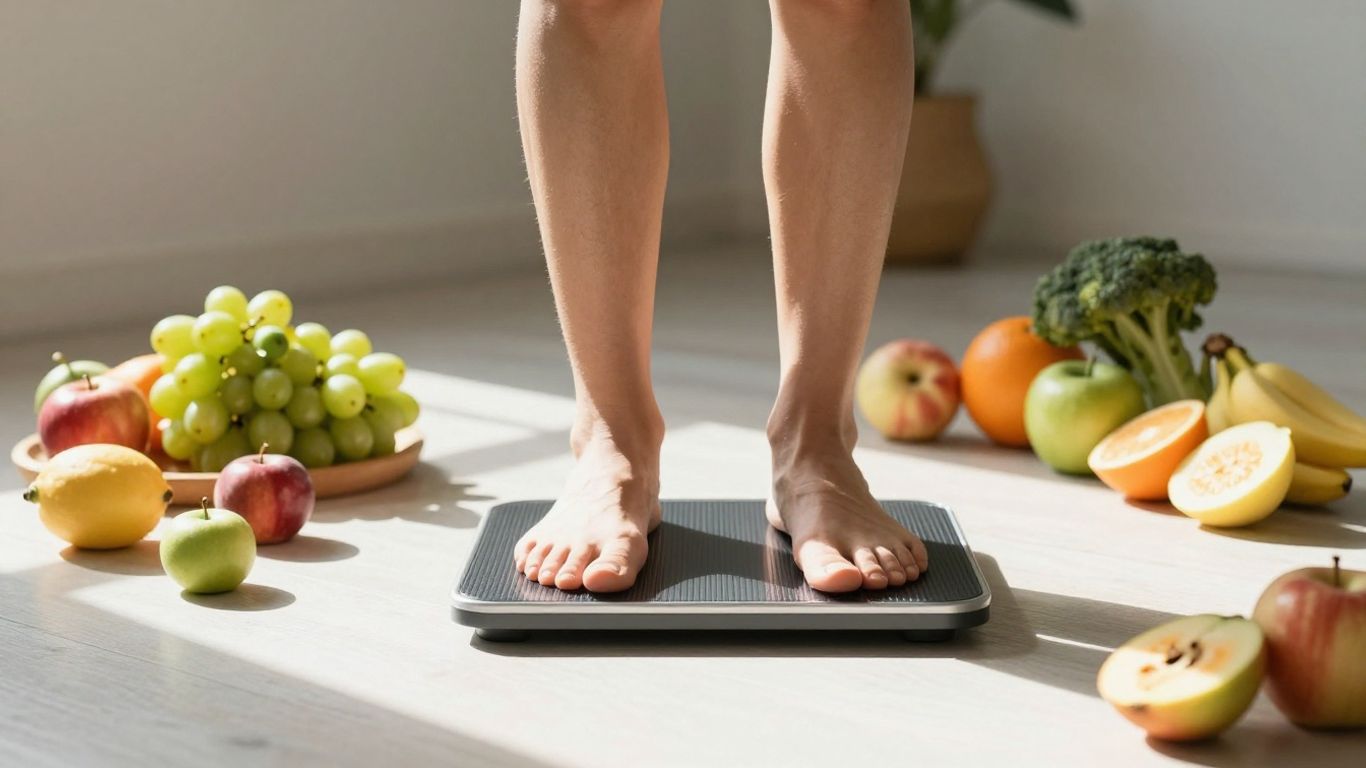
Right then, let’s talk about the nitty-gritty of actually shifting some weight. To lose a stone in a month, you’ve got to get your head around the idea of a calorie deficit. It sounds a bit technical, but it’s really quite simple: you need to burn more calories than you’re taking in. Your body’s a clever thing; when it doesn’t get enough energy from food, it starts looking for it elsewhere, and that’s usually in your fat stores. This is the fundamental principle behind any successful weight loss.
Calculating Your Daily Calorie Needs
So, how do you figure out how many calories you actually need? It’s not a one-size-fits-all situation, you see. Your Basal Metabolic Rate (BMR) is the number of calories your body burns just to keep ticking over – think breathing, circulation, all that essential stuff you don’t even think about. This is influenced by things like your age, sex, weight, and height. Then you’ve got your activity level, which adds to the total calories you burn each day. There are plenty of online calculators that can give you a good estimate for this. Just pop in your details, and it’ll give you a ballpark figure for your daily calorie needs.
The Importance of a Sustainable Deficit
Now, you might be tempted to slash your calorie intake drastically, but trust me, that’s rarely a good idea. Crash dieting might give you quick results initially, but it’s usually not sustainable and can even be harmful. Your body needs fuel to function properly, and if you cut too much, you’ll likely feel tired, irritable, and might even end up regaining the weight once you stop. A sensible deficit is key. Aiming for a deficit of around 500-750 calories per day is generally considered a healthy range for losing about 1-2 pounds a week. This means you’re still eating enough to feel satisfied and get the nutrients you need, but you’re creating that necessary energy gap for fat loss.
Here’s a rough idea of how a deficit works:
| Activity Level | Estimated Daily Calorie Burn (Example) | Target Daily Intake for 500 Calorie Deficit | Weight Loss per Week (Approx.) |
|---|---|---|---|
| Sedentary | 1800 kcal | 1300 kcal | 1 lb |
| Lightly Active | 2200 kcal | 1700 kcal | 1.25 lbs |
| Moderately Active | 2600 kcal | 2100 kcal | 1.5 lbs |
| Very Active | 3000 kcal | 2500 kcal | 1.75 lbs |
Note: These are just examples. Your actual calorie burn will vary.
Tracking Your Intake and Expenditure
This is where things get a bit more hands-on. To really get a handle on your calorie deficit, you need to know what you’re actually eating and how much you’re moving. Using a food diary or a calorie-tracking app can be incredibly helpful. It’s not about obsessing over every single morsel, but more about getting a clearer picture of your habits. You might be surprised by how quickly calories can add up, especially from drinks or snacks you might not even think about. Similarly, keeping an eye on your activity levels, whether it’s your daily steps or planned workouts, helps you understand how many calories you’re burning.
Being mindful of what you eat and how active you are provides the data you need to make informed adjustments. It’s about building awareness, not restriction.
Some people find it useful to track:
- What you eat and drink
- When you eat
- How you feel before and after eating
- Your daily activity levels (steps, exercise)
This information can help you identify patterns and make small changes that add up over time.
Nourishing Your Body for Fat Loss
Right, let’s talk about what you’re actually putting into your body. It’s not just about eating less; it’s about eating smarter. Fueling yourself with the right stuff can make a massive difference when you’re trying to shift a stone, and honestly, it makes you feel a whole lot better too.
Prioritising Protein-Rich Foods
Protein is your best mate when you’re trying to lose weight. It helps you feel fuller for longer, which means fewer cravings and less chance of reaching for biscuits at 3 pm. Plus, your body uses more energy to digest protein compared to carbs or fats, giving your metabolism a little nudge. Think lean meats like chicken and turkey, fish, eggs, beans, lentils, and Greek yogurt. Aim to include a good source of protein with every meal.
Incorporating Complex Carbohydrates and Healthy Fats
Don’t ditch carbs entirely! You need them for energy, especially if you’re active. The trick is to choose complex carbohydrates. These are things like whole grains, oats, brown rice, quinoa, and plenty of vegetables. They release energy slowly, keeping you going without those sugar spikes and crashes. And fats? They’re not the enemy. Healthy fats are vital for hormone production and can help you feel satisfied. We’re talking avocados, nuts, seeds (like chia and flax), and olive oil. Just be mindful of portion sizes with fats, as they are calorie-dense.
Here’s a rough guide for building a balanced plate:
| Food Group | Suggested Portion Size (using your hand) |
|---|---|
| Protein | One palm |
| Complex Carbohydrates | One fist |
| Healthy Fats | One thumb |
| Vegetables | Two fists |
Limiting Ultra-Processed Foods
This is a big one. Foods that come in bright packaging and have a long list of ingredients you can’t pronounce? They’re usually packed with added sugars, unhealthy fats, and salt, and they don’t do much for keeping you full. Cutting back on things like sugary drinks, crisps, biscuits, and ready meals will not only help you reduce your calorie intake but also improve your overall health. It’s about making conscious choices for better results.
Making small, consistent changes to your diet is far more effective than drastic, short-term restrictions. Focus on whole, unprocessed foods that provide your body with the nutrients it needs to function optimally and support your weight loss goals.
![How to Lose a Stone in 21 days | Channel 4 (review) [UK & Ireland]](https://i.ytimg.com/vi/V_4_MGwbRbo/hqdefault.jpg "How to Lose a Stone in a Month Safely and Naturally? 4")
The Role of Hydration and Activity
Right then, let’s chat about two things that often get overlooked when we’re trying to shed a few pounds: drinking enough water and just generally moving more. It sounds simple, doesn’t it? But honestly, these two can make a surprisingly big difference to how effectively you lose weight, and more importantly, how good you feel while you’re doing it.
Maximising Water Intake for Metabolism
We all know we should drink water, but why is it so important for weight loss? Well, for starters, staying hydrated helps keep your metabolism ticking over nicely. Think of it like oil for an engine; without it, things just don’t run as smoothly. Studies have shown that drinking water, especially before meals, can actually help you eat less. It fills up your stomach a bit, so you feel fuller sooner. Plus, sometimes our bodies mistake thirst for hunger, so a good glass of water can sort that out before you even reach for a snack.
Aim for at least 2 litres of water a day. This might seem like a lot, but it’s a good target to keep your body functioning well. Swapping out sugary drinks like fizzy pop or juice for water is a no-brainer. You cut out a load of empty calories without even trying, which is a win-win.
Vitaflora Exposed: 5 Gut Health Secrets They Don’t Want You to Know
Boosting Non-Exercise Activity Thermogenesis (NEAT)
This is a bit of a mouthful, isn’t it? NEAT just means all the calories you burn doing everyday things that aren’t formal exercise. So, things like walking around the house, fidgeting, standing up while you’re on the phone, or even just tidying up. Every little bit of movement adds up. If you’re choosing between the lift and the stairs, always go for the stairs. It might only take an extra minute, but that’s a minute of calorie burning you wouldn’t have otherwise had.
Here are a few ideas to get more NEAT into your day:
- Park further away from the shops.
- Get up and walk around for a few minutes every hour if you have a desk job.
- Do some light stretching or walking while watching TV.
- Take the stairs whenever possible.
Integrating Regular Physical Activity Safely
Beyond NEAT, actual exercise plays a big part. Cardio, like brisk walking or cycling, is brilliant for burning calories. But it’s not just about the calorie burn; regular activity also does wonders for your mood and overall health, which can be a massive help when you’re trying to lose weight. The key here is to start gradually. If you’re not used to exercising, don’t suddenly try to run a marathon. You could end up injured or just feeling completely overwhelmed.
Listen to your body. If something feels too much, ease back. It’s better to do a little bit consistently than to go all out and have to stop for weeks because you’ve overdone it. Consistency is what really counts in the long run.
Avoiding Pitfalls on Your Weight Loss Journey
It’s easy to get swept up in the idea of shedding a stone quickly, but rushing the process can actually do more harm than good. Let’s talk about some common traps people fall into and how to steer clear of them.
The Dangers of Crash Dieting
Crash dieting, where you drastically cut your calorie intake, might seem like a fast track to losing weight. However, this approach is rarely sustainable and can lead to a host of problems. Your body needs a certain amount of energy and nutrients to function properly. When you deprive it, you risk feeling exhausted, irritable, and can even slow down your metabolism. This can make it harder to lose weight in the long run and more likely to regain it once you stop. It’s a cycle of restriction, intense cravings, and often, overeating, which isn’t healthy for anyone.
Understanding Why Fad Diets Fail
Fad diets often promise quick fixes with restrictive rules, like cutting out entire food groups or relying on specific, often expensive, products. While you might see some initial movement on the scales, these diets usually fail because they’re not designed for long-term living. They don’t teach you about balanced eating or how to manage your relationship with food. Think about it: can you really eat only grapefruit forever? Probably not. When you stop the fad diet, the weight often creeps back on because you haven’t learned sustainable habits. It’s better to focus on making gradual changes to your eating habits, like incorporating more whole foods and learning to cook healthy meals.
Recognising Unhealthy Eating Behaviours
It’s not just about what you eat, but how and why you eat. Be mindful of behaviours that can sabotage your progress. This includes:
- Mindless eating: Eating while distracted (e.g., in front of the TV) can lead to overconsumption because you’re not paying attention to your body’s hunger and fullness cues.
- Emotional eating: Turning to food for comfort when you’re stressed, sad, or bored. It’s important to find other ways to cope with emotions, like going for a walk or talking to a friend.
- All-or-nothing thinking: Believing that one slip-up means the whole day (or week) is ruined, leading to giving up entirely. Remember, progress, not perfection, is the goal.
It’s important to allow yourself occasional treats. Completely denying yourself everything you enjoy is a recipe for misery and often leads to bingeing. Finding a balance where you can enjoy your favourite foods in moderation is key to sticking with a plan long-term. A small piece of dark chocolate or a planned treat meal can make a big difference to your overall adherence and happiness.
So, What’s the Takeaway?
Right then, losing a stone in a month is a big goal, and while it’s technically possible, it’s not always the healthiest path for everyone. Remember, those quick fixes often lead to weight bouncing back, and that’s no fun. The real win here is building habits that stick. Think about making small, steady changes to what you eat and how you move. Focusing on balanced meals, staying hydrated, and getting a bit more active each day will get you closer to your goals without feeling like you’re on a rollercoaster. If you’re unsure, or if you’ve got any health worries, having a chat with your doctor is always a good shout. It’s all about finding what works for you in the long run, not just for a few weeks.