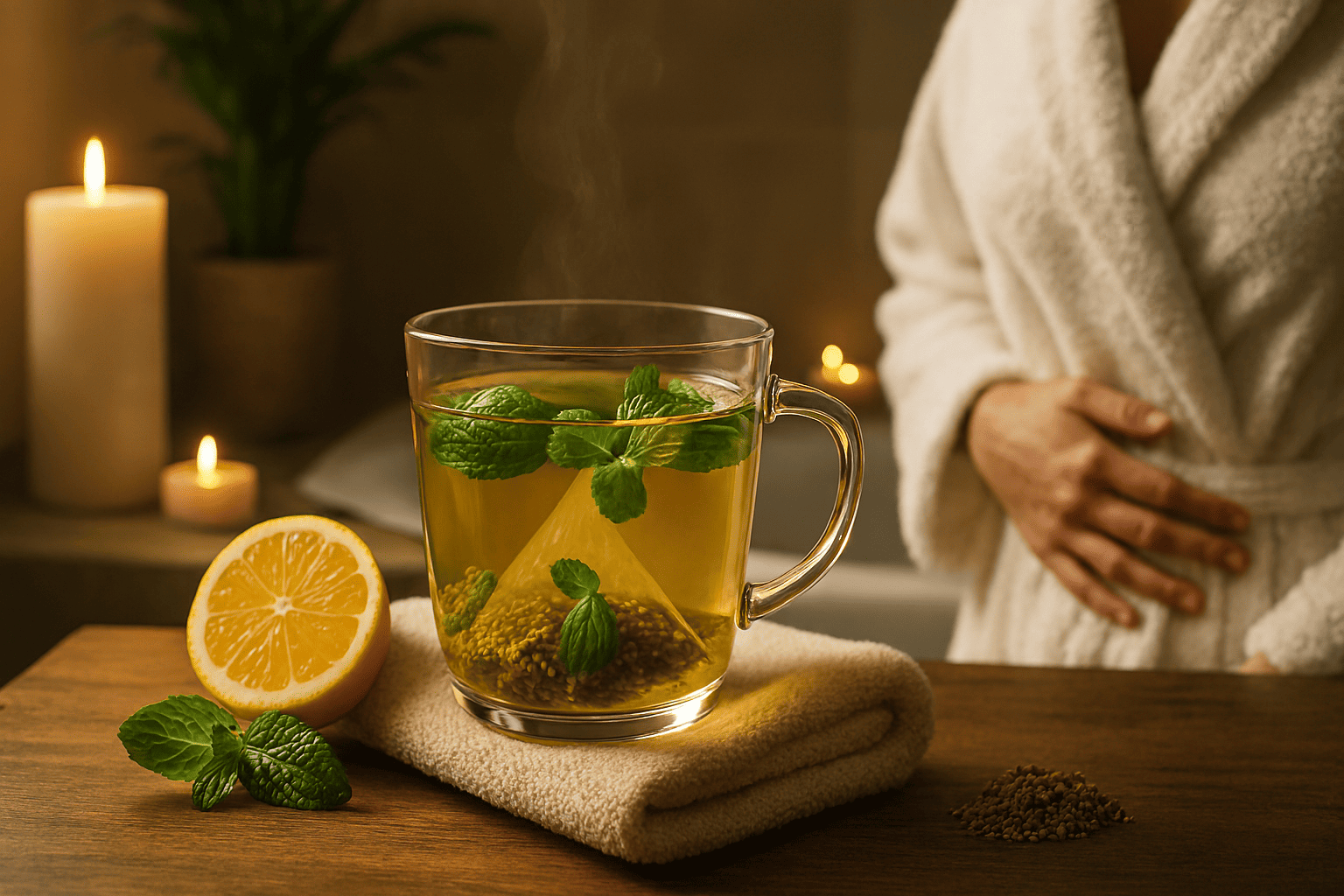
Feeling a bit puffy after meals? You’re not alone. Bloating can be a real bother, making you feel uncomfortable and just generally ‘off’. But what if a simple, warm drink could help? This article is all about exploring the world of digestion tea and how different brews can gently support your tummy, helping you feel lighter and more at ease. We’ll look at what causes that bloated feeling and how the right cup of tea can make a difference.
Key Takeaways
- Certain herbal teas, like lemongrass, spearmint, and ginger, are known for their ability to help with bloating and digestive discomfort.
- For quick relief after a meal, lemongrass or a blend like Belly Fat Tea can be very effective.
- If your bloating seems linked to hormones, spearmint tea might offer targeted support.
- To get the most from your digestion tea, pay attention to when you drink it – often after meals is best – and always brew it warm.
- While tea is a great helper, remember that lifestyle habits like eating slowly, staying hydrated, and managing stress also play a big part in keeping your digestion happy.
Understanding Bloating And Your Digestion Tea

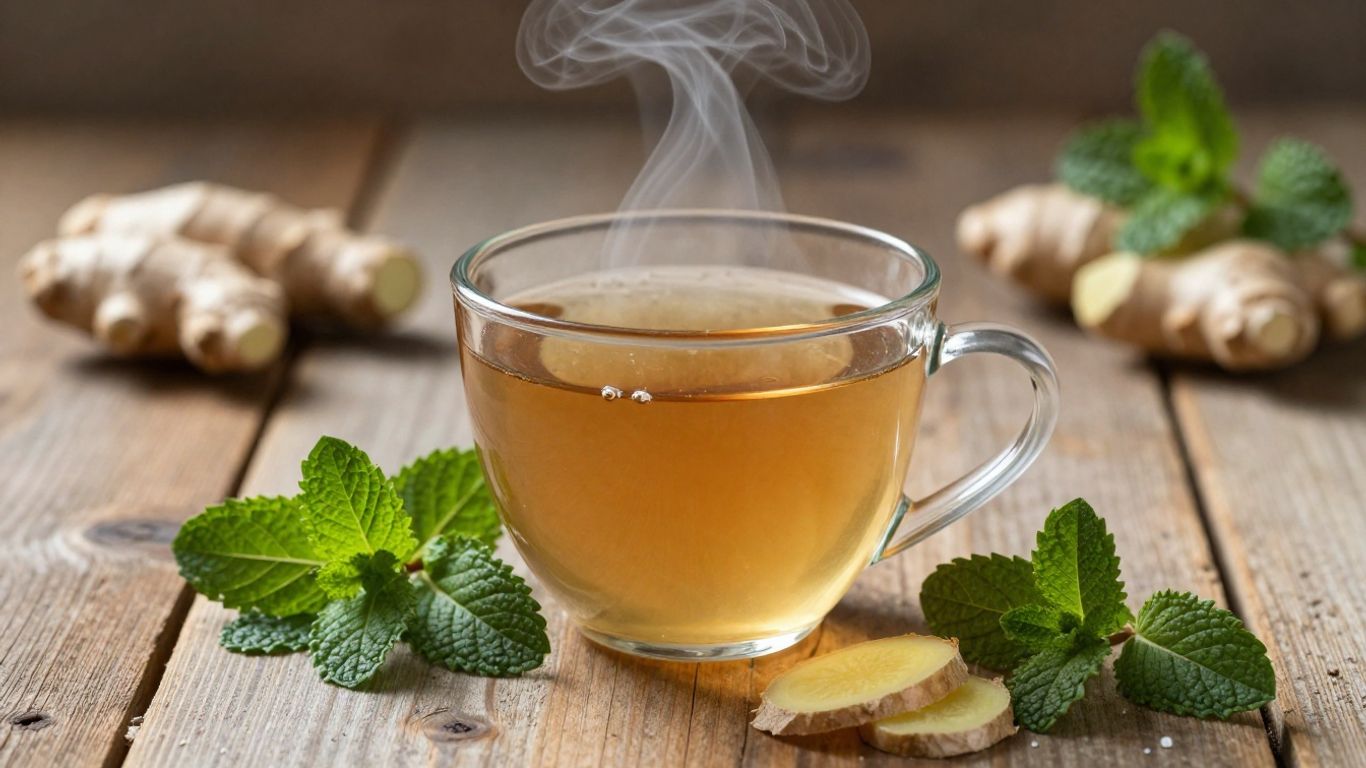
Feeling that familiar tightness in your tummy after a meal? You’re not alone. Bloating is a really common complaint, and it can make you feel uncomfortable and even a bit self-conscious. It’s that feeling of fullness, pressure, or even visible swelling that can really put a damper on your day. Sometimes it comes with a bit of extra gas, or just a general sense of ‘ugh, my stomach’.
What Causes Bloating?
So, what’s actually going on when you feel bloated? It’s often down to a few things. Sometimes it’s just about swallowing too much air, which can happen if you eat too quickly or chew your food without really thinking about it. Other times, it’s related to the food itself – certain foods can produce more gas as they’re digested. Even stress can play a part, believe it or not. When we’re stressed, our digestive system can get a bit out of sorts, leading to that bloated feeling. It’s a complex system, and lots of little things can throw it off balance.
The Role Of Tea In Alleviating Bloating
This is where tea comes in, and it’s a bit of a hero for digestive woes. For centuries, people have turned to warm brews to soothe their insides. Certain teas contain compounds that can help calm your gut, reduce inflammation, and even speed up digestion. Think of it as a gentle nudge for your digestive system to get back on track. It’s not a magic bullet, but a warm cup can make a real difference in how you feel. Staying hydrated and soothing your stomach can help reduce bloating. Beneficial drinks include plain water, herbal teas such as ginger or peppermint, kombucha, and kefir. These options can aid in alleviating discomfort and promoting digestive wellness.
Choosing The Right Digestion Tea
With so many teas out there, picking the right one for bloating can feel a bit overwhelming. It really depends on what’s causing your discomfort. Some teas are brilliant for general bloating, while others are more specific. For instance, if you find you’re often bloated after meals, a tea like lemongrass might be your best bet. If it’s more related to hormonal changes, spearmint could be more helpful. It’s about finding the brew that speaks to your body’s needs. Here’s a quick look at some common scenarios:
- Post-meal bloating: Lemongrass tea is often a quick and direct relief.
- Hormone-related bloating: Spearmint tea is known for its supportive properties.
- General digestive support: Blends like Belly Fat Tea offer a more comprehensive approach.
- Need for a metabolism boost: Slim Herbal Tea can help move things along faster.
- Sluggish digestion: Liver Cleanse Tea supports your liver, which is key for overall digestion.
Remember, starting with one cup and seeing how your body responds is a good approach. Your body will often tell you what it needs.
Herbal Brews For A Happy Tummy
Lemongrass Tea: Your Bloating Relief Powerhouse
If you’re looking for a straightforward way to tackle that uncomfortable bloated feeling, lemongrass tea is a brilliant place to start. It’s made from dried lemongrass leaves, so you know you’re getting a pure, natural product. The warmth of the tea itself helps your stomach relax, and the active compounds in lemongrass get to work, helping your digestive system function more smoothly. It’s a simple, effective way to settle your stomach after a meal. Many people find that drinking a cup about 20-30 minutes after eating makes a noticeable difference.
Spearmint Tea: Perfect For Hormone-Related Bloating
Bloating isn’t always just about what you’ve eaten. For a lot of us, hormonal changes can play a big part, especially around our monthly cycles. This is where spearmint tea really shines. It’s known for being gentle but effective. Studies suggest it can help balance hormones, which in turn can reduce bloating linked to those hormonal shifts. It also helps your digestion move along nicely and can even ease that feeling of mental fatigue. It’s naturally a bit sweet, so you probably won’t need to add anything to it. It’s a good idea to try drinking it regularly, perhaps in the week leading up to your period.
Ginger Tea: A Historical Remedy For Stomach Woes
Ginger has been used for centuries to help with all sorts of tummy troubles, and bloating is definitely one of them. It’s brilliant at reducing inflammation in your gut and can really help to calm an upset stomach. Ginger also speeds up how quickly food moves through your system, which can prevent that sluggish, bloated feeling from setting in. Whether you use fresh ginger root or good quality dried ginger, brewing a cup can offer significant relief. It has a warming, spicy flavour that many find very comforting when they’re feeling a bit off.
Here’s a quick look at how these teas can help:
- Lemongrass: Aids digestion, helps relax the stomach.
- Spearmint: Balances hormones, improves digestion, reduces bloating.
- Ginger: Reduces inflammation, calms the stomach, speeds up digestion.
Remember, while these teas are fantastic for helping you feel better, they work best as part of a balanced approach to your health. Don’t forget about eating mindfully and staying hydrated.
Comprehensive Digestion Support Blends
Ever feel like no matter what you eat, your belly just isn’t happy? Some teas go beyond quick fixes for occasional bloating—they’re made to help your gut every day and keep things moving. Here’s a look at the three blends people are reaching for when they want steady, all-around digestion help:
Belly Fat Tea: The Complete Digestive Support
Belly Fat Tea is not about magic weight loss. It’s a blend created for whole digestive balance. The idea is to drink it throughout the day—think 3-4 cups—not as a crash, but as ongoing support. Most notice they feel lighter, with less puffiness and a bit more energy.
How to use Belly Fat Tea for best results:
- Start with one cup after each meal
- If you want to speed things up, aim for up to four cups daily
- Best results come with a balanced diet and regular routine
| Key Benefits | How To Use |
|---|---|
| Less daily bloating | 1 cup after meals |
| Smoother digestion | 3-4x daily for more noticeable results |
| Feeling less heavy | Combine with healthy meals |
Sticking with this blend daily seems to work better than treating it like a once-in-a-while rescue tea.
Slim Herbal Tea: Metabolism Boost And Bloating Relief
Slim Herbal Tea doesn’t just tackle the uncomfortable stomach feeling—it can also support your metabolism. It mixes Butterfly Pea (antioxidants), Garcinia, and Fenugreek, all known for being gentle and, together, surprisingly effective. Most people start to notice the difference in a few days.
- Butterfly Pea: packed with antioxidants
- Garcinia: aids digestion
- Fenugreek: traditionally used for digestive support
- You can sip 2-4 cups across the day
Regular use helps your body deal with food better and avoid that end-of-day bloat.
Liver Cleanse Tea: Deep Digestive Support
Sometimes, bloating hangs around because your liver is tired. Liver Cleanse Tea is blended to support your liver and, by extension, kick-start your digestive system properly again. Its ingredients list reads like a who’s who of herbal wellness: Milk Thistle, Haritaki, Lemongrass, Manjishta, Turmeric, Rose Petals, Ginger, Cinnamon, and Pippali for absorption.
Why folks turn to Liver Cleanse Tea:
- It flushes toxins to keep your digestion moving
- Helps with persistent sluggish or heavy feelings
- Encourages natural balance when things feel a bit backed up
For best effects:
- Drink 2–3 cups daily
- Make it a routine, not a sporadic fix
- Morning and early afternoon are best, when your system is most active
Most people don’t expect instant results, but with patience, their gut and energy feel better week by week.
All three blends work smoother alongside good habits—eating slowly, regular movement, and being a bit kind to your body. Consistent use is the biggest game-changer here.
Foundational Teas For Overall Wellness
Butterfly Pea Flower Tea: The Antioxidant Foundation
Butterfly pea flower tea is like the bedrock for your digestive system’s well-being. It’s packed with antioxidants, which are brilliant for helping your body function smoothly. When your insides are working efficiently, bloating tends to decrease all on its own. This tea is just the pure flower, no added bits, so you get all the natural goodness. You can drink it by itself or mix it with other teas for a bit of a flavour boost. It’s also naturally caffeine-free, which is a bonus.
- Supports your body’s natural detox processes.
- Contains vitamins that are good for digestion.
- Antioxidants help everything run better.
The beautiful blue colour of this tea, which turns purple with a squeeze of lemon, is a visual treat that hints at the goodness within. It’s a gentle way to start supporting your body’s natural functions.
Hibiscus Herbal Tea: The Daily Wellness Cup
While hibiscus tea isn’t specifically marketed as a bloating remedy, it plays a significant role in supporting your overall health, and that definitely includes your digestion. It’s a good source of Vitamin C and more antioxidants. A body that’s generally well is a body that digests food more effectively, leading to less bloating. Think of it as your daily wellness cup. The flavour is a bit tart and fruity, making it a refreshing choice any time of day. Regular enjoyment helps keep your body in good working order. You can find out more about natural ways to support your gut health here.
- Supports general health and well-being.
- Rich in Vitamin C.
- Provides a daily dose of antioxidants.
Enjoying these teas regularly can make a real difference. They are simple additions to your routine that support your body from the inside out.
Best place to inject mounjaro for weight loss
Maximising Your Digestion Tea Experience
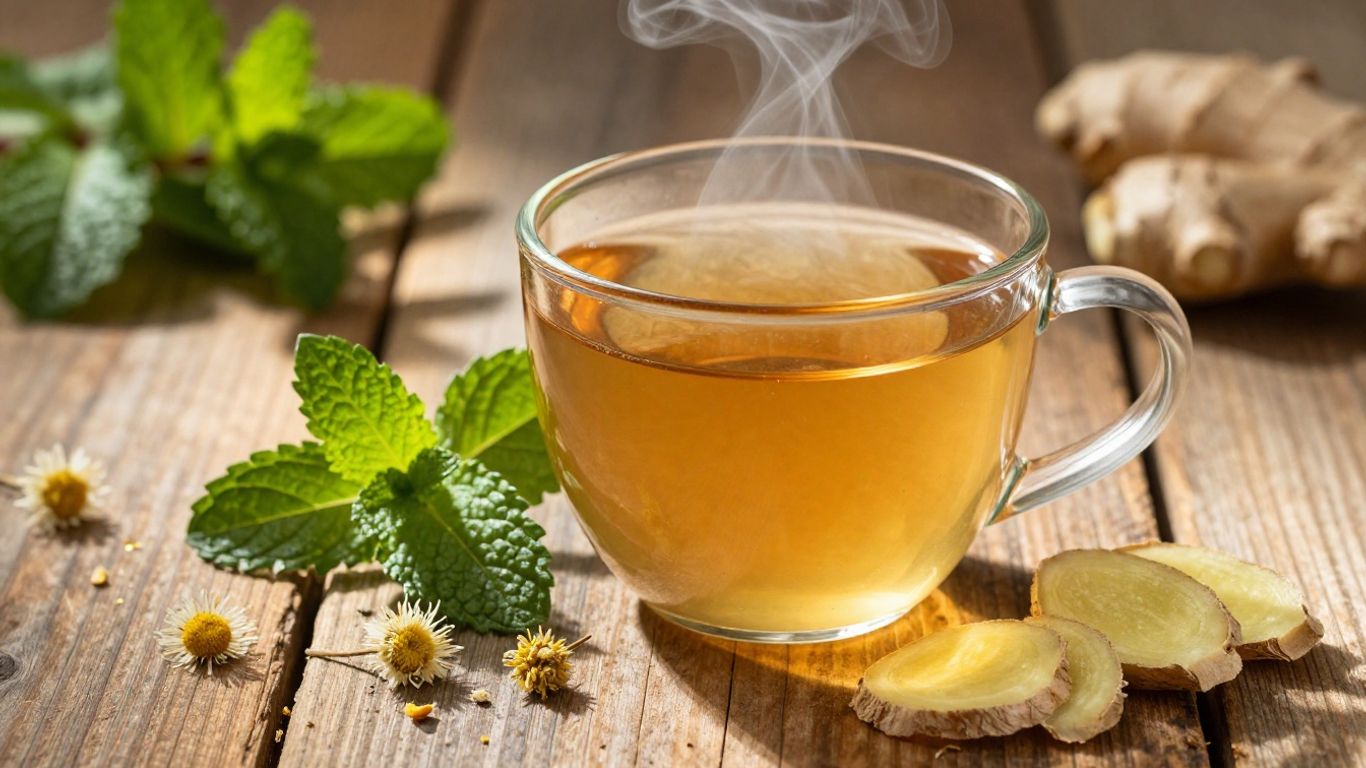
If you’ve found a digestion tea that suits you, you’re already halfway there. But making the most out of your cup really boils down to three things: timing, brewing method, and temperature. Here’s how to squeeze every last benefit out of your favourite herbal blend.
Timing Matters: When To Drink Your Digestion Tea
When you steep your tea is almost as important as what tea you’re drinking. Here’s a bit of a guide to help you get it just right:
| Timing | Best Tea Type | Why It Works |
|---|---|---|
| Within 30 mins after eating | Lemongrass, Ginger, Belly Fat | Supports digestion, helps relieve bloating quickly |
| Throughout the day | Slim Herbal, Liver Cleanse | Keeps metabolism ticking and supports liver function |
| Evening (1–2 hours before bed) | Spearmint, Butterfly Pea | Calms digestion overnight without disrupting sleep |
- Drink after meals for quick relief from that heavy or gassy feeling.
- Consistent sipping throughout the day works for blends aimed at ongoing support (like Slim Herbal or Liver Cleanse).
- Avoid heavy, stimulating teas late at night so you don’t interrupt your sleep.
Drinking your tea at the right time, especially after your main meal, can be the difference between a light, comfortable evening and feeling sluggish the rest of the night.
Brewing The Perfect Cup
Don’t just toss a teabag into boiling water and walk away. There’s a bit of an art to it—though it’s not complicated:
- Use fresh, filtered water for each brew to maintain clear, vibrant flavours.
- Steep according to your blend—generally 5-7 minutes for the full benefits.
- Skip the milk and limit sweeteners—honey or lemon are fine, but too much sugar or cream can counter the positives for digestion.
A quick checklist for top results:
- Use a covered cup or pot so the oils (where the real magic is) don’t escape.
- If using loose leaves, strain them well so your cup isn’t gritty.
- Try a second steep if you like; many herbal blends have a softer, equally soothing taste the second time around.
Temperature Counts For Optimal Digestion
You’ve probably heard people argue about cold vs. hot drinks. When it comes to digestion, the temperature you use genuinely makes a difference.
- Warm or hot tea works best, as the heat helps blood flow and soothes your tummy muscles.
- If you’re someone who loves iced drinks, let your tea cool to room temperature naturally instead of shocking it with ice cubes.
- Avoid drinking tea straight out of the fridge—cold drinks can slow your digestive system and make bloating more likely.
Simple, steady warmth is your friend here.
A warm brew, taken at the right time, really is one of the most soothing habits for a sluggish stomach or mid-afternoon bloat.
Stick with these steps, listen to what your body tells you, and tea becomes more than just a drink – it’s a toolkit for feeling your best, every day.

Beyond The Brew: Lifestyle Habits For Digestion
A good digestion tea can do wonders, but honestly, it’s only part of the story. How we live day to day has just as much (if not more) say in how light or heavy our stomachs feel. Let me break down some simple, practical habits that make a real difference.
Mindful Eating Practices
Paying attention to your food changes everything. Most of us distract ourselves at mealtimes—a scroll here, a TV show there—and end up eating faster and more than our stomachs can handle.
Try these habits:
- Slow down: Take at least 20 minutes per meal. Your digestion can’t keep up if you’re speeding through it.
- Chew more: Proper chewing is where good digestion begins. Aim for 20-30 chews per bite.
- Pause between bites: Set your utensil down between mouthfuls. It feels awkward at first but really calms things down.
Allowing your body to register fullness means you’re less likely to overeat and suffer that heavy, bloated feeling later on.
The Importance Of Hydration And Movement
Hydration and movement sound basic, but they work wonders. If your body is even slightly short on water, your digestion slows right down. And as for movement—forget fancy workouts. It’s the small stuff that keeps things flowing.
| Habit | What To Aim For |
|---|---|
| Water intake | Sip water throughout the day |
| Walk after meals | Just 5-10 minutes |
| Stand up regularly | Every hour if possible |
A few quick pointers:
- Avoid gulping tons of water with meals—sip gradually instead.
- If you’re stuck at a desk, even standing up to stretch every hour helps.
- Short walks after eating can work better than a strong cup of coffee for stomach comfort.
Managing Stress For Better Digestion
You might not realise it, but stress really messes with your stomach. Ever get nervous and feel your gut twist? That’s no coincidence! When you tense up, all sorts of processes—especially digestion—slow down.
Here’s what helps:
- Take a few deep breaths before meals.
- Keep to a simple daily routine with breaks.
- Wind down in the evening (even if it’s just with five minutes of peace, not screens).
The calmer your mind, the smoother your digestion. A hot cup of your favourite tea can help, but relaxing your whole self goes even further.
Mixing these habits into your routine really does add up. It’s not about making every day perfect, but those small tweaks, day by day, can change how you feel after every meal.
Your Journey to a Happier Tummy
So, there you have it. We’ve looked at how a simple cup of tea can really make a difference when you’re feeling all puffed up and uncomfortable. Remember, it’s not just about the tea itself, but how you use it. Start small, see what works for your body, and don’t forget that warm tea is usually best for getting things moving. And while these teas are brilliant, they work even better when you pair them with other good habits, like eating slowly and moving your body a bit. Think of it as a team effort for your digestion. Give it a go, and hopefully, you’ll soon be sipping your way to feeling much lighter and more comfortable.