So, you’re wondering how can I lose a stone? It feels like a big number, doesn’t it? Maybe you’ve seen it pop up on the scales and thought, ‘right, that’s it’. Or perhaps you’ve just decided it’s time for a change. Whatever your reason, wanting to lose a stone is a common goal. It’s not about quick fixes or starving yourself; it’s about making smart, lasting changes to how you eat, move, and think about food. This plan is designed to be straightforward, helping you get there without feeling overwhelmed. Let’s get started.
Key Takeaways
- Losing a stone means shedding 14 pounds (or 6.35kg). Aim for a safe and steady pace of 1-2 pounds per week, which means you can’t lose a stone in a week – trying to do so is unhealthy.
- Focus on eating real, whole foods and make sure to include protein in every meal to help you feel fuller for longer. Cut out processed foods as they offer little nutritional value.
- Increase your daily movement. This includes planned exercise and also ‘NEAT’ activities like walking more, taking the stairs, or even fidgeting, which all burn calories.
- Drink plenty of water throughout the day. Also, practice mindful eating by chewing slowly and avoiding distractions to help with digestion and recognise fullness.
- Track your progress beyond just the scales. Use body measurements, photos, and consider a smart scale to understand changes in body composition, not just weight.
Understanding How To Lose A Stone
What Does It Mean To Lose A Stone?
Right, so you’ve decided you want to lose a stone. That’s a solid goal, and it translates to about 6.35 kilograms or 14 pounds. It’s a noticeable amount of weight for most people, and achieving it can bring about some real positive changes to how you feel and look. But here’s the thing: how you go about losing it really matters. The aim is to shed fat, not just any weight.
Safe And Sustainable Weight Loss Pace
When we talk about losing weight healthily, we’re not talking about shedding pounds overnight. That’s a recipe for disaster, honestly. A sensible pace is generally considered to be between 1 to 2 pounds (about 0.5 to 1kg) per week. This means losing a stone could realistically take anywhere from 7 to 14 weeks. It might sound like a long time, but think about it – this is about building habits that stick, not a quick fix.
Here’s a rough idea:
| Timeframe | Weight Loss | Approximate Stone Loss |
|---|---|---|
| 1 week | 1-2 lbs | 0.07 – 0.14 stone |
| 1 month | 4-8 lbs | 0.28 – 0.57 stone |
| 7-14 weeks | 14-28 lbs | 1 – 2 stone |
Trying to rush this process often leads to regaining the weight, and sometimes even more. It’s about consistency and making changes you can actually live with long-term.
How long does it take to lose a stone
Why Avoiding Crash Diets Is Crucial
Crash diets, you know, the ones promising you’ll lose a stone in a week? They’re a bad idea. Seriously. They often involve cutting out entire food groups or drastically slashing calories, which can leave you feeling drained, grumpy, and with serious cravings. Your body needs a range of nutrients to function properly, and starving it isn’t the answer. Plus, when you stop these extreme diets, your body tends to hold onto fat more readily, making it harder to keep the weight off. It’s a cycle that’s hard to break, and frankly, not worth the short-term, unsustainable results.
Making drastic changes all at once can really backfire. It’s much better to introduce small, manageable adjustments to your diet and activity levels. Think of it like building a house; you need a strong foundation before you can add the fancy bits.
Nourishing Your Body For Weight Loss
Right then, let’s talk about what you’re actually putting into your body. It’s easy to get caught up in the idea of just eating less, but how you eat is just as important, if not more so. Think of it like this: you wouldn’t put cheap, dodgy fuel into a really nice car and expect it to run smoothly, would you? Your body’s the same.
Prioritising Real, Whole Foods
This is probably the most important bit. When we say ‘real food’, we mean stuff that hasn’t been messed about with too much. Think fruits, vegetables, lean meats, fish, eggs, nuts, seeds, and whole grains. These foods are packed with the good stuff your body needs – vitamins, minerals, fibre – and they tend to keep you feeling fuller for longer. A good rule of thumb is to stick to the outside aisles of the supermarket, where you’ll find most of the fresh produce, and try to avoid the middle aisles where all the highly processed bits tend to live. If it looks like it could have existed 5,000 years ago, it’s probably a good bet.
The Power Of Protein In Every Meal
Protein is a bit of a superhero when it comes to weight loss. It helps you feel full, which means you’re less likely to snack on less healthy things later. Plus, your body uses more energy to digest protein compared to carbs or fats. Aim to include a decent source of protein with every meal. This could be chicken, fish, eggs, beans, lentils, or Greek yogurt. A portion about the size of your palm is a good starting point for each meal.
Here’s a quick look at some good protein sources:
- Lean meats (chicken breast, turkey)
- Fish (salmon, cod, mackerel)
- Eggs
- Legumes (beans, lentils, chickpeas)
- Dairy (Greek yogurt, cottage cheese)
- Tofu and tempeh
Cutting Out Processed Foods
This one goes hand-in-hand with eating whole foods. Processed foods – think biscuits, crisps, ready meals, sugary cereals, and processed meats – often contain a lot of added sugar, unhealthy fats, and salt, but not much in the way of nutrients. They’re designed to be tasty and convenient, but they can lead to energy crashes, cravings, and can contribute to inflammation and bloating. Cutting these out, or at least cutting them back significantly, can make a huge difference to how you feel and your progress. If you’re looking for some meal ideas, this 7-day meal plan might give you a good starting point.
Making conscious choices about your food doesn’t mean you have to eat bland, boring meals. It’s about finding a balance and choosing foods that fuel your body well, making you feel good both physically and mentally.
Incorporating Movement Into Your Day
Right, so we’ve talked about what you’re eating, but how about getting your body moving? It’s not just about hitting the gym for an hour, you know. There’s loads you can do without even thinking about it.
Boosting Non-Exercise Activity Thermogenesis (NEAT)
This sounds fancy, but it’s basically all the calories you burn doing everyday things that aren’t structured exercise. Think fidgeting, walking to the kettle, tidying up, even just standing instead of sitting. Small changes add up to a big difference over time.
Here are a few ideas to get you started:
- Take the stairs whenever you can. Even just one extra flight makes a difference.
- Park further away from the shops or your office.
- Get up and move around for a few minutes every hour, especially if you have a desk job.
- Do a bit of gardening or housework with a bit more gusto.
The more you move throughout the day, the more energy you’ll burn, and the easier it will be to create that calorie deficit needed for weight loss. It’s about making your body work a little harder, even when you’re not actively exercising.
Making Exercise Enjoyable
If you dread your workouts, you’re not going to stick with them. Find something you actually like doing. Maybe it’s a brisk walk in the park, a dance class, swimming, or cycling. The key is consistency, and that’s much easier when you’re having fun.
- Try different activities until you find your jam.
- Listen to podcasts or music while you exercise.
- Exercise with a friend for motivation and company.
The Role Of Strength Training
Don’t be put off by the idea of ‘getting bulky’. Strength training, or lifting weights, is brilliant for weight loss. Muscle burns more calories at rest than fat does, so the more muscle you have, the higher your metabolism. It also helps shape your body and improves your posture.
Aim for at least two strength training sessions a week. You don’t need a fancy gym; you can start with bodyweight exercises or resistance bands at home. Focus on lifting weights that challenge you, and gradually increase the weight or reps as you get stronger. This is called progressive overload, and it’s how you keep seeing results.
Hydration And Mindful Eating Habits
Right then, let’s chat about two things that often get overlooked when we’re trying to shed a stone: drinking enough water and actually paying attention to what we’re eating. It sounds simple, doesn’t it? But honestly, these two habits can make a massive difference.
The Importance Of Water Intake
We all know we should drink water, but do we really know why it’s so good for us, especially when we’re trying to lose weight? For starters, staying hydrated helps keep your body ticking over nicely. It aids digestion, keeps your brain sharp, and can even give your mood a little boost. Drinking water before a meal can also help you feel fuller, meaning you might eat a bit less without even trying. Think of it as a natural appetite suppressant. Plus, swapping sugary drinks for water is a no-brainer for cutting down on empty calories. Aim for around 2.7 litres for women and 3.7 litres for men daily, though this can vary. Keeping a water bottle handy is a good idea to keep track.
Chewing Slowly For Better Digestion
This one’s all about slowing down. When you wolf your food down, your body doesn’t really get a chance to signal that it’s full. Chewing each mouthful thoroughly, maybe 20-30 times, gives your brain time to catch up. It also helps break down your food better, making it easier for your digestive system to do its job. You might find you feel more satisfied with less food, and it can help prevent that uncomfortable bloated feeling after a meal. It’s a simple change, but it really helps you connect with your food.
Eating Without Distractions
How often do you eat in front of the TV, scroll through your phone, or chat away while you’re munching? It’s easy to do, but it means you’re not really tasting your food or noticing when you’re full. This ‘mindless eating’ can lead to overeating because your body isn’t getting the signals it needs. Try to set aside some time, even just 15-20 minutes, to eat without any distractions. Focus on the flavours, the textures, and how your body feels. It’s a great way to start practicing mindful eating and really appreciate your meals.
![How to Lose a Stone in 21 days | Channel 4 (review) [UK & Ireland]](https://i.ytimg.com/vi/V_4_MGwbRbo/hqdefault.jpg "How Can I Lose a Stone? A Simple 5-Step Plan 3")
Tracking Your Progress Effectively
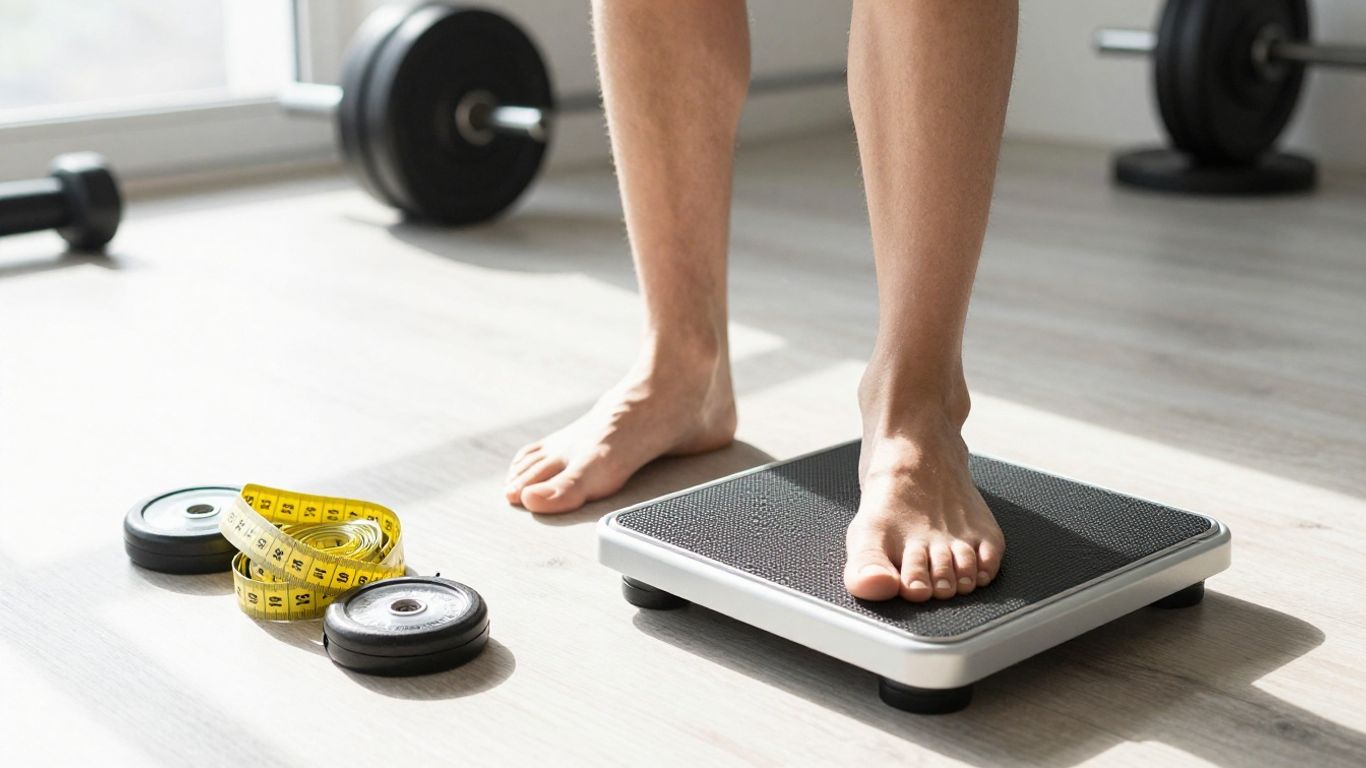
Right, so you’re putting in the work, eating better, moving more – brilliant! But how do you actually know if it’s all adding up? Staring at the number on the bathroom scale can be a bit of a rollercoaster, can’t it? Sometimes it goes down, sometimes it stays put, and sometimes it even creeps up a bit. It’s easy to get disheartened if that number isn’t budging as much as you’d hoped, especially when you feel like you’re doing everything right.
can i lose a stone in a month?
Beyond The Bathroom Scale
Here’s the thing: the number on the scale is only one piece of the puzzle. It doesn’t tell the whole story about what’s actually happening inside your body. You might be losing fat, which is great, but if you’re not careful, you could also be losing muscle mass. Muscle is denser than fat, meaning it takes up less space. So, you could be getting smaller and fitter, but the scale might not reflect that change as dramatically as you’d expect.
Understanding Body Composition
This is where looking beyond just your weight becomes really useful. Body composition is about the actual makeup of your body – how much of it is fat, how much is muscle, how much is water, and so on. A smart scale can give you a better idea of this. It measures things like body fat percentage and muscle mass. Seeing these numbers change can be way more motivating than just watching the pounds drop. For example, if your body fat percentage is going down, even if your weight hasn’t moved much, you’re still making progress towards your goal of losing a stone of fat.
Using Body Measurements And Photos
Don’t underestimate the power of a tape measure and your phone camera! Taking regular measurements of key areas like your waist, hips, arms, and thighs can show you changes that the scale might miss. Clothes fitting more loosely is a massive clue, too.
Here’s a simple way to track:
- Weekly Measurements: Jot down your measurements every week on the same day, at the same time. Use a notebook or a notes app.
- Progress Photos: Take a photo of yourself in the same clothes, in the same lighting, from the same angles (front, side, back) every 2-4 weeks. You’ll be amazed at the visual changes over time.
- How Your Clothes Fit: Pay attention to how your favourite jeans or that dress feel. Are they looser? Easier to button up? That’s a win!
Sometimes, the most telling signs of progress aren’t on a digital display. It’s about how you feel, how your clothes fit, and the subtle shifts you notice in your own body. Trusting these indicators can be just as important, if not more so, than the number on the scale.
Building Lasting Healthy Habits
Right, so you’ve managed to shed that stone, or you’re well on your way. Brilliant! But now comes the bit that trips most people up: keeping it off. It’s easy to get caught up in the excitement of the scales moving, but the real win is making these changes stick. This isn’t about a quick fix; it’s about weaving healthier choices into the fabric of your everyday life.
Adopting Gradual Changes
Trying to overhaul everything overnight is a recipe for disaster. Honestly, it’s like trying to learn a new language by cramming a dictionary – it just doesn’t work long-term. Instead, think small, manageable steps. Maybe start by adding an extra portion of vegetables to your dinner each night, or swapping your usual sugary cereal for something with more fibre. Once that feels like second nature, you can tackle the next thing. It’s about building momentum, not overwhelming yourself.
- Start with one small dietary swap.
- Introduce a short daily walk.
- Prioritise getting a decent night’s sleep.
Seeking Support For Your Journey
Let’s be real, going it alone can be tough. Having people in your corner makes a massive difference. This could be a friend who’s also trying to get healthier, a family member who cheers you on, or even an online community where you can share your wins and struggles. Sometimes, just knowing you’re not the only one facing these challenges can be a huge motivator. Don’t be afraid to ask for help or share your goals – it’s a sign of strength, not weakness.
Accountability partners can provide that extra push when motivation dips. Sharing your progress, even the small stuff, helps solidify your commitment and makes the journey feel less isolating.
Focusing On Mental Well-being
This is a big one, and often overlooked. How you feel mentally has a direct impact on your physical health and your ability to stick to new habits. Stress, anxiety, or feeling low can lead to comfort eating or skipping workouts. Finding healthy ways to manage your mood is just as important as eating your greens. This might mean taking up a hobby you enjoy, practising mindfulness, or simply making time for activities that bring you joy and help you unwind. Remember, your mind and body work together, so looking after both is key to long-term success.
So, What’s the Takeaway?
Right then, losing a stone isn’t some magic trick you can pull off overnight. It’s more about making sensible little changes that stick. Forget those crazy crash diets; they’re just not the way to go. Instead, focus on eating real food, moving a bit more each day – even just a brisk walk counts – and being patient with yourself. Remember, it’s a journey, not a race. Keep up the good habits you’ve started, and you’ll get there. You’ve got this!