Trying to figure out how long it takes to lose a stone can feel a bit like a puzzle. You see all sorts of claims online about losing it in a week or two, but is that really realistic or even good for you? The truth is, everyone’s different, and what works for one person might not work for another. It’s more about making sensible changes that you can stick with, rather than chasing quick fixes that often don’t last. Let’s break down what a stone actually is and what a healthy approach to losing one looks like.
Key Takeaways
- Losing a stone means losing 14lbs (6.35kg). A safe and sensible rate of weight loss is generally between 0.5lbs and 2lbs per week.
- Factors like your diet, how active you are, your age, and your starting weight all play a part in how long it takes to lose a stone.
- Avoid crash diets; they can be harmful and often lead to regaining the weight. Focus on gradual dietary changes and increasing physical activity.
- Hydration, good sleep, and managing stress are just as important as diet and exercise for successful and sustainable weight loss.
- Monitoring progress using smart scales, body measurements, and how you feel can be more insightful than just relying on the bathroom scale.
Understanding A Stone And Safe Weight Loss Rates
What Constitutes A Stone?
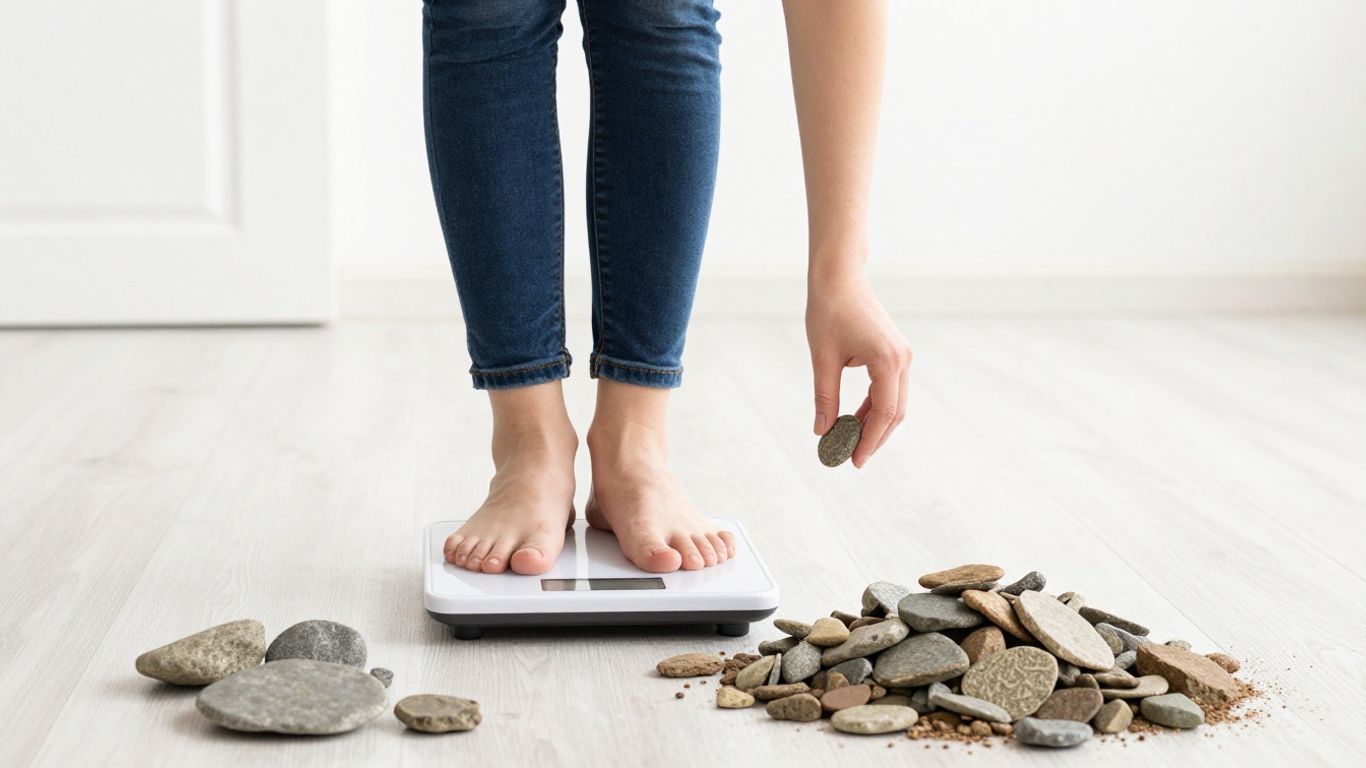
Right, first things first, let’s get clear on what we’re actually talking about when we say ‘a stone’. In the UK, a stone is a unit of weight, and it’s pretty straightforward: one stone is exactly 14 pounds (lbs). So, if your goal is to lose a stone, you’re aiming to shed 14 lbs, which is roughly 6.35 kilograms. It’s a common benchmark for weight loss, but it’s important to remember it’s just a number on the scales.
Recommended Weekly Weight Loss
When it comes to shedding pounds, going too fast isn’t usually the best idea. Health experts generally suggest a sensible rate of weight loss is between 0.5lbs and 2lbs per week. This usually means creating a calorie deficit of around 500 to 1000 calories each day.
Here’s a rough idea of what that looks like:
| Weight Loss Goal | Weekly Target | Daily Calorie Deficit |
|---|---|---|
| 0.5lbs per week | 2lbs per month | ~250 calories |
| 1lb per week | 4lbs per month | ~500 calories |
| 2lbs per week | 8lbs per month | ~1000 calories |
Sticking to this kind of pace means you’re more likely to lose fat rather than muscle, and it helps your body adjust without feeling like it’s in constant shock. Plus, it makes it much easier to keep the weight off in the long run.
The Dangers Of Rapid Weight Loss
Trying to lose a stone in, say, a week is really not advisable. It’s tempting to look for quick fixes, but they often come with downsides.
Rapid weight loss can sometimes lead to muscle loss, nutrient deficiencies, and can even mess with your metabolism, making it harder to keep the weight off later. It can also be really tough on your body and mind, leading to fatigue and making you feel quite rubbish.
So, while the idea of shedding a stone super quickly might sound appealing, it’s generally much healthier and more sustainable to aim for a slower, steadier approach. Your body will thank you for it!
can i lose a stone in a month?
Factors Influencing How Long It Takes To Lose A Stone
Right, so you’re aiming to shed a stone, which is brilliant. But how quickly can you actually expect that to happen? Well, it’s not a simple ‘X weeks’ answer, because loads of things play a part. It’s a bit like asking how long it takes to drive to Scotland – depends on where you’re starting from, what car you’ve got, and if you stop for tea!
Your Dietary Habits
This is a biggie. What you eat, and how much, has a massive impact. If you’re consistently eating more calories than your body needs, that stone isn’t going anywhere. On the flip side, if you create a sensible calorie deficit, you’ll start to see the scales move. It’s not just about cutting calories though; the type of food matters too. Protein and fibre, for example, keep you feeling fuller for longer, which can help you eat less overall. Think about it: a plate of plain pasta might fill you up for an hour, but a meal with chicken, beans, and loads of veg could keep you satisfied for half the day. So, swapping out processed snacks for nuts or fruit, or making sure your meals have a good balance of protein and fibre, can really speed things up.
Physical Activity Levels
Moving your body helps burn calories, plain and simple. If you’re already quite active, you might find you lose weight a bit quicker than someone who’s mostly sedentary. But it’s not just about hitting the gym for an hour. Even small changes add up. Things like walking more, taking the stairs, or even just fidgeting can contribute to your daily calorie burn. This is often called NEAT (Non-Exercise Activity Thermogenesis), and it can make up a surprisingly large chunk of how many calories you burn each day.
| Activity Type | Approximate Calorie Burn (per hour, 70kg person) |
|---|---|
| Brisk Walking | 250-300 kcal |
| Cycling (moderate) | 400-500 kcal |
| Strength Training | 300-400 kcal |
| Gardening | 200-300 kcal |
| Sitting still | 70-100 kcal |
Individual Biological Differences
We’re all wired differently, aren’t we? Your metabolism, which is basically how efficiently your body burns calories, can vary a lot from person to person. Some people naturally have a faster metabolism, meaning they burn more calories even when they’re just sitting around. Then there’s genetics – some people might be predisposed to storing fat more easily than others. And, unfortunately, biological sex can play a role too; some studies suggest men tend to lose weight a bit faster initially than women, possibly due to differences in muscle mass and metabolism.
Age And Starting Weight
Your age and how much you weigh when you start can also influence the pace of your weight loss. Generally, people who have more weight to lose tend to lose it more quickly at the beginning. As you get closer to your goal weight, your body needs fewer calories, so the rate of loss might naturally slow down a bit. Age can also be a factor; metabolism can sometimes slow down as we get older, which might mean weight loss takes a little longer for some individuals, particularly those in their 40s and 50s compared to younger adults.
It’s really important to remember that everyone’s body is unique. What works for one person might not work exactly the same for another. Trying to rush the process or comparing yourself too much to others can be demotivating. Focus on making sustainable changes that feel right for you.
So, while there’s no magic number of weeks, understanding these factors can help you set realistic expectations and focus on building healthy habits that will last.

Establishing Healthy Habits For Sustainable Loss
Gradual Dietary Adjustments
Trying to overhaul your entire diet overnight is a recipe for disaster, honestly. It’s way too much, and you’ll likely end up feeling deprived and just give up. Instead, think about making small, manageable changes. Maybe start by adding an extra portion of fruit or veg to your lunch each day. Or perhaps you could try cutting out that sugar you add to your morning cuppa. These little wins add up. Once those feel like second nature, you can start swapping out less healthy snacks for things that’ll keep you fuller for longer, like some carrot sticks with hummus or a hard-boiled egg. It’s all about building a foundation, not trying to sprint a marathon.
The Role Of Hydration
We all know we should drink more water, right? But it’s genuinely more important than you might think when you’re trying to lose weight. Staying properly hydrated can actually make the whole process a bit easier. It’s been shown to help with your mood and how well your brain works, and it keeps your insides running smoothly. While it’s not a magic bullet on its own, keeping on top of your water intake helps keep your metabolism ticking over nicely and your body’s functions in check. This means you can focus your energy on the other bits, like your food and getting enough sleep.
Prioritising Sleep And Stress Management
Life throws curveballs, and sometimes stress just hits you. If you’re going through a tough time, try not to beat yourself up if your weight loss seems to stall or you gain a little back. Stress can mess with your body’s hormones, like cortisol, which can make it harder to lose weight and even encourage your body to store more fat, especially around your middle. Plus, when we’re stressed, we often crave all the wrong kinds of food. So, while it’s not always easy, try to make healthy choices when you can. Remember, your body works better when it’s not under constant pressure. It’s not a failure, just something to be aware of.
Making too many big changes at once can really backfire. It’s much better to take things step-by-step. Think about what you can realistically stick with, rather than trying to do everything perfectly from day one. Small, consistent efforts are what really make the difference in the long run.
The Importance Of A Balanced Approach

When you’re aiming to lose a stone, it’s easy to get caught up in the idea of quick fixes. But honestly, those extreme diets rarely work in the long run. A balanced approach is key to making sure the weight stays off. It’s not just about cutting calories; it’s about nourishing your body properly and building habits that you can actually stick with.
Nutrition Over Extreme Restriction
Crash diets and cutting out entire food groups might seem like a fast track to the scales dropping, but they often backfire. Your body needs a variety of nutrients to function well, and restricting too much can leave you feeling tired, irritable, and craving all the wrong things. Instead of thinking about what you can’t have, focus on what you can add. Think more whole foods, lean proteins, plenty of vegetables, and healthy fats. This way, you’re fuelling your body, not depriving it. It’s about making sensible choices most of the time, rather than aiming for perfection.
Trying to cut out all carbs, for example, might lead to initial water loss, but it’s not sustainable. You’ll likely end up feeling drained and might even crave sugary foods more, leading to a cycle of restriction and overeating. Focusing on complex carbohydrates from sources like whole grains and vegetables provides energy without the downsides.
The Role Of Hydration
Don’t underestimate the power of a good old glass of water. Staying hydrated is surprisingly important for weight management. It helps keep your metabolism ticking over nicely and can even help you feel fuller, which might mean you eat a little less. Aiming for around 8 glasses a day is a good starting point, but listen to your body. If you’re active or it’s warm, you’ll probably need more. Keeping a water bottle handy throughout the day is a simple trick that makes a big difference. It’s a small change that supports your overall weight loss efforts.
Building Muscle For Metabolism Boost
While you might be focused on the number on the scales, remember that muscle plays a big role. Building muscle isn’t just for bodybuilders; it’s actually a secret weapon for weight loss. Why? Because muscle burns more calories than fat, even when you’re resting. So, incorporating some strength training into your routine, even if it’s just a couple of times a week, can give your metabolism a helpful boost. This means your body is working harder to burn calories throughout the day, which aids in losing that stone and keeping it off. It’s about creating a body that’s more efficient at burning energy.
How to Lose a Stone in a Month Safely and Naturally
Monitoring Progress Beyond The Scales
It’s easy to get fixated on the number on the scales when you’re trying to lose a stone. But honestly, that little machine doesn’t tell the whole story. Sometimes, the scales can be a bit misleading, and focusing solely on them can actually be demotivating. The real progress often shows up in ways that a standard scale just can’t measure.
Using Smart Scales For Body Composition
If you’ve got one of those fancy smart scales, they can offer a bit more insight than your average bathroom model. These gadgets go beyond just your total weight. They can give you a breakdown of things like body fat percentage, muscle mass, and even water weight. This is super helpful because, for example, you might be gaining muscle while losing fat. Muscle is denser than fat, so you could be getting leaner and fitter, but the scales might not show a big drop, or might even show a slight increase. Seeing that your body fat percentage is going down, even if the overall weight is steady, is a win!
| Metric | What it tells you |
|---|---|
| Body Fat % | Percentage of your body made up of fat |
| Muscle Mass | How much lean muscle you’re carrying |
| Water Weight | Amount of water in your body |
| BMI | Body Mass Index (a general indicator) |
Taking Body Measurements
This is a classic for a reason. Sometimes, the tape measure is your best friend. Losing a stone might mean your clothes are fitting more loosely, even if the scales haven’t budged much. Measuring your waist, hips, arms, and thighs every couple of weeks can show you where you’re losing inches. It’s a really tangible way to see the changes happening. Don’t forget to use the same measuring points each time for consistency.
- Waist: Measure around your natural waistline, usually just above the belly button.
- Hips: Measure around the fullest part of your hips and bottom.
- Thighs: Measure around the widest part of one thigh.
- Arms: Measure around the fullest part of your upper arm.
Focusing On How You Feel
Beyond the numbers and measurements, how do you actually feel? Are you sleeping better? Do you have more energy throughout the day? Are you feeling stronger when you do everyday tasks? These are all massive indicators of progress that the scales can’t capture. Sometimes, just noticing that your stamina has improved or that you’re less out of breath climbing stairs is a huge victory. It’s about overall well-being, not just a number. Experts suggest that weighing yourself may not be the most effective method for monitoring weight loss progress. Instead, consider eight alternative ways to track your journey and celebrate your achievements here.
It’s easy to get discouraged if the scales aren’t moving as quickly as you’d hoped. Remember that weight loss is rarely a straight line. There will be ups and downs, and that’s perfectly normal. Focusing on consistent healthy habits and celebrating non-scale victories is key to staying motivated and achieving your goals in the long run.
Maintaining Your Progress Long-Term
So, you’ve managed to shed that stone. Brilliant! But now comes the real challenge, doesn’t it? Keeping it off. It’s easy to think the hard part is over, but honestly, maintaining your weight loss is a marathon, not a sprint. It’s about weaving healthy habits into your everyday life so they feel less like a chore and more like second nature.
Mindful Eating Practices
This is a big one. We often eat for reasons other than actual hunger – stress, boredom, or just because the biscuits are right there. Learning to pause for a moment before you reach for food can make a world of difference. Ask yourself: Am I genuinely hungry, or am I just feeling something else? Tuning into these signals helps you break free from mindless munching. It’s about savouring your food, eating slowly, and really paying attention to your body’s fullness cues.
Accepting Body Fluctuations
Your weight isn’t going to be a perfectly straight line downwards, and it certainly won’t stay exactly the same once you’ve reached your goal. Bodies are dynamic things! Hormones, stress levels, a particularly salty meal the night before – all these can cause the number on the scales to bobble around a bit. Don’t let these small shifts derail you. Instead of fixating on the daily number, focus on the bigger picture: how you feel, your energy levels, and the consistency of your healthy habits.
Adopting A Mostly Healthy Lifestyle
Perfection is a myth when it comes to long-term health. Trying to be ‘perfect’ all the time is exhausting and often leads to burnout. The key is consistency, not perfection. Aim for a lifestyle that is ‘mostly’ healthy. This means enjoying treats and rest days without guilt, and understanding that a slip-up doesn’t mean you’ve failed. It’s about getting back on track with your next meal or workout.
Here’s a quick rundown of what that ‘mostly healthy’ approach looks like:
- Balanced Nutrition: Prioritise whole foods, but allow for flexibility. Enjoying a meal out or a favourite dessert is part of a sustainable lifestyle.
- Regular Movement: Find activities you genuinely enjoy. This could be anything from brisk walks and dancing to strength training or yoga. Aim for a mix that keeps your body moving and your mind happy.
- Adequate Rest: Sleep is incredibly important for recovery, hormone balance, and managing cravings. Don’t underestimate its power.
- Stress Management: Find healthy ways to cope with stress, whether it’s through mindfulness, hobbies, or spending time with loved ones.
Remember, the goal isn’t to live a life of constant restriction, but to build a sustainable way of eating and moving that supports your well-being long-term. It’s about progress, not being flawless every single day.
So, How Long Does It Really Take?
Right then, we’ve gone through a fair bit, haven’t we? The main takeaway here is that trying to lose a stone in a week or even two is pretty much a non-starter, and honestly, not a good idea for your health. It’s more about making sensible, lasting changes rather than chasing a quick fix. Think about it like this: everyone’s body is different, and what works for one person might not work for another. Factors like what you eat, how much you move, your age, and even how stressed you are can all play a part. So, instead of fixating on a specific date, focus on building healthy habits, like eating more balanced meals and getting a bit more active. That way, you’re more likely to lose that stone safely and, more importantly, keep it off for good. It’s a marathon, not a sprint, as they say!